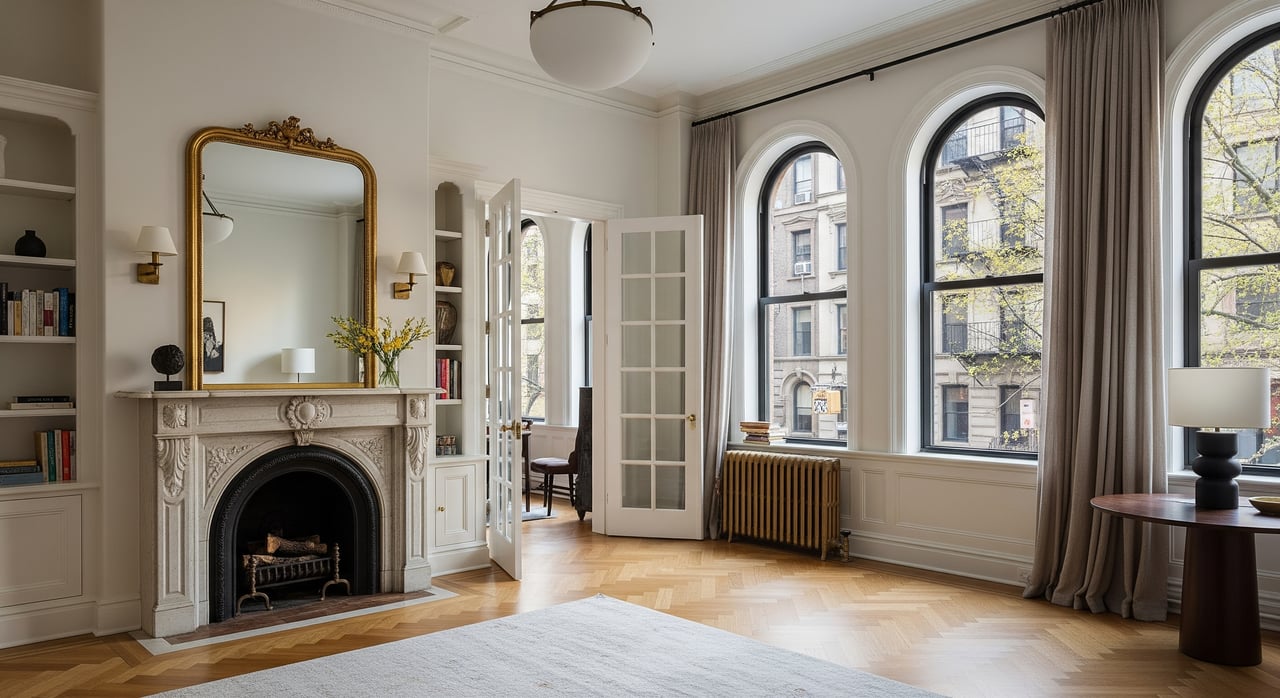
Eyeing a prewar apartment with gracious rooms, tall ceilings, and timeless details? If you have been scrolling Upper West Side listings and seeing “classic six,” you are not alone. You want space that works for today while keeping the character that makes Manhattan living special. This guide breaks down what a classic six really is, where to find it, how co‑ops work, and what to consider before you buy or renovate. Let’s dive in.
What a classic six means
A classic six is a prewar layout designed for formal living and efficient daily life. The typical plan includes an entry foyer, a formal living room, a formal dining room, two full bedrooms, a smaller third bedroom or maid’s room, a kitchen, and at least one full bathroom. The “six” refers to principal rooms, so listings can label them differently.
Because terms vary, you should always confirm the floor plan rather than relying on the label. You may also see “classic seven,” which typically adds another small bedroom or a third full bedroom. The main idea is scale and separation: rooms that are distinct, with easy circulation for entertaining and privacy.
Where you find them in Manhattan
Classic six apartments come from prewar buildings built roughly 1900 to 1940. They are concentrated in Manhattan neighborhoods known for their historic co‑ops, especially the Upper West Side and Upper East Side. You will see them along Central Park West, Riverside Drive, and on blocks with established co‑ops.
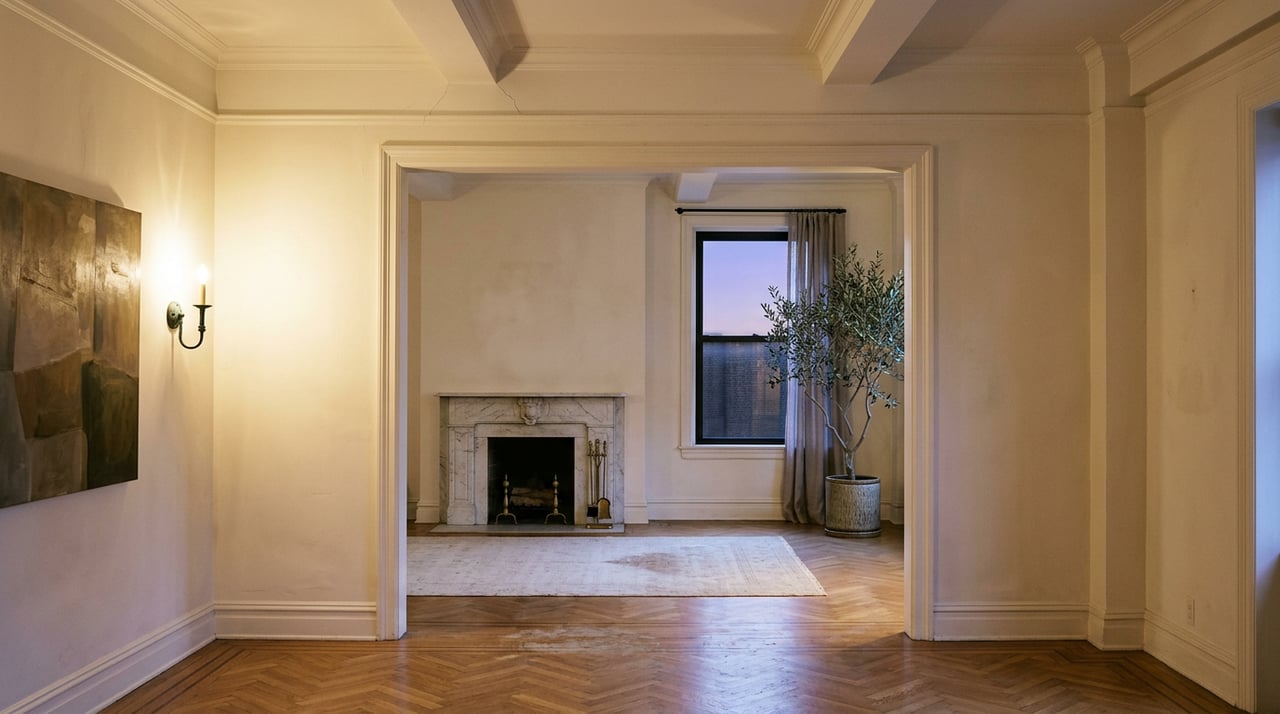
These homes were created for formal entertaining, with a dedicated dining room, and they often include a smaller bedroom near the kitchen that once served as a maid’s room. Expect separate rooms rather than open‑plan living, plus long sightlines and elegant proportions.
Prewar features you will notice
Prewar co‑ops on the Upper West Side and Upper East Side often include:
- High ceilings, commonly 9 to 12 feet.
- Plaster crown moldings, picture rails, and tall baseboards.
- Original oak or herringbone parquet floors.
- French or pocket doors between major rooms.
- Radiator heat and original steam or hot‑water systems.
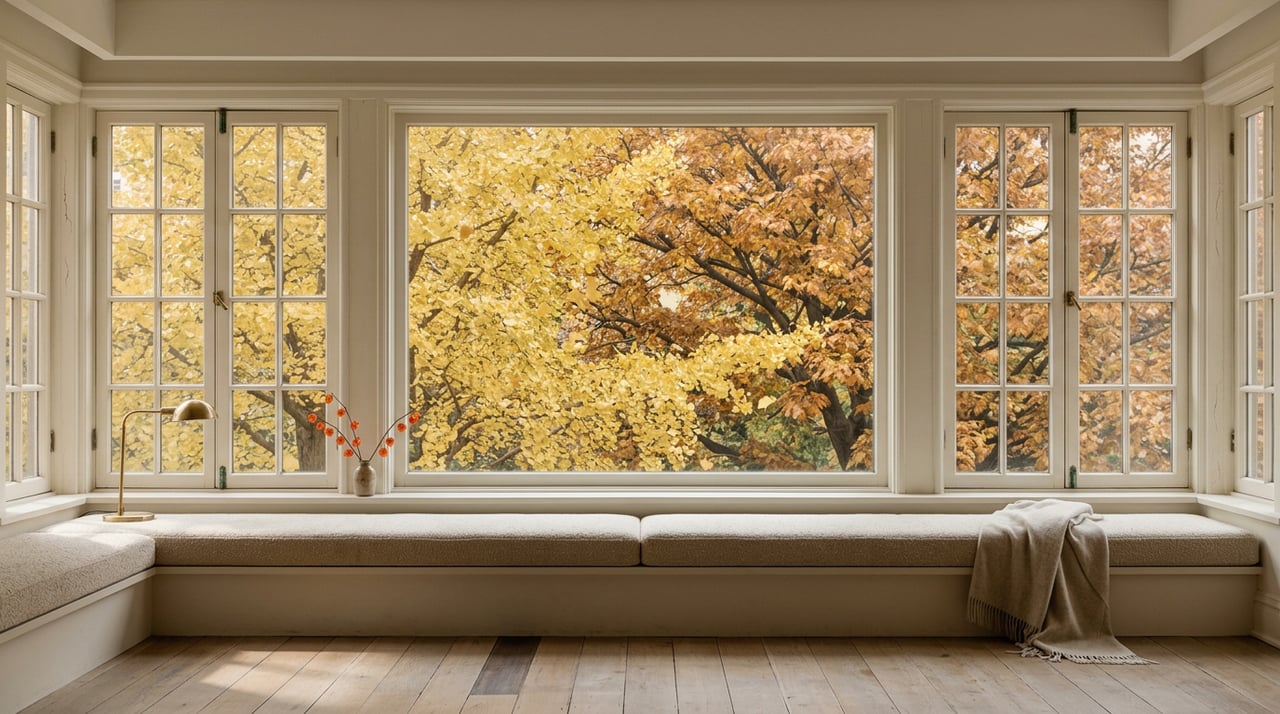
- Large windows that vary by exposure and building.
These buildings are typically load‑bearing masonry or steel framed. Many interior partitions can be structural, and plumbing stacks run vertically through kitchens and baths. Electrical capacity in original units is often undersized by modern standards, which is important if you plan to add new appliances or air conditioning.
Light, views, and exposure
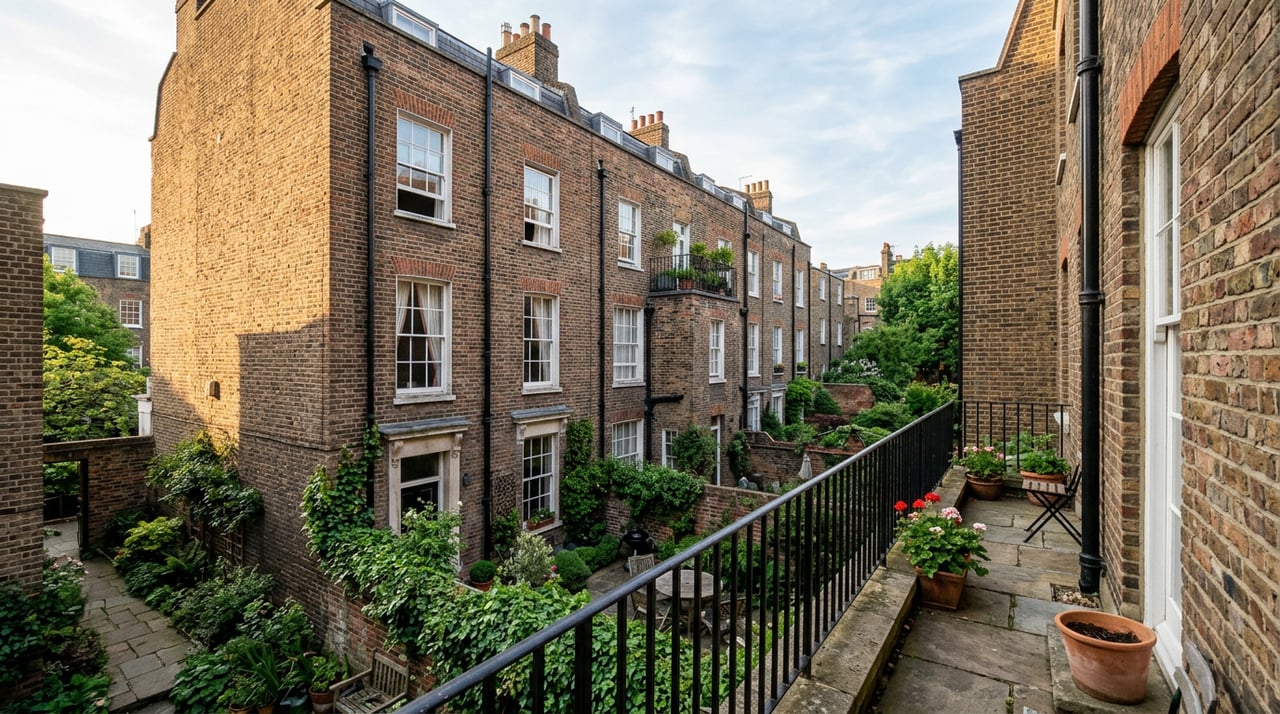
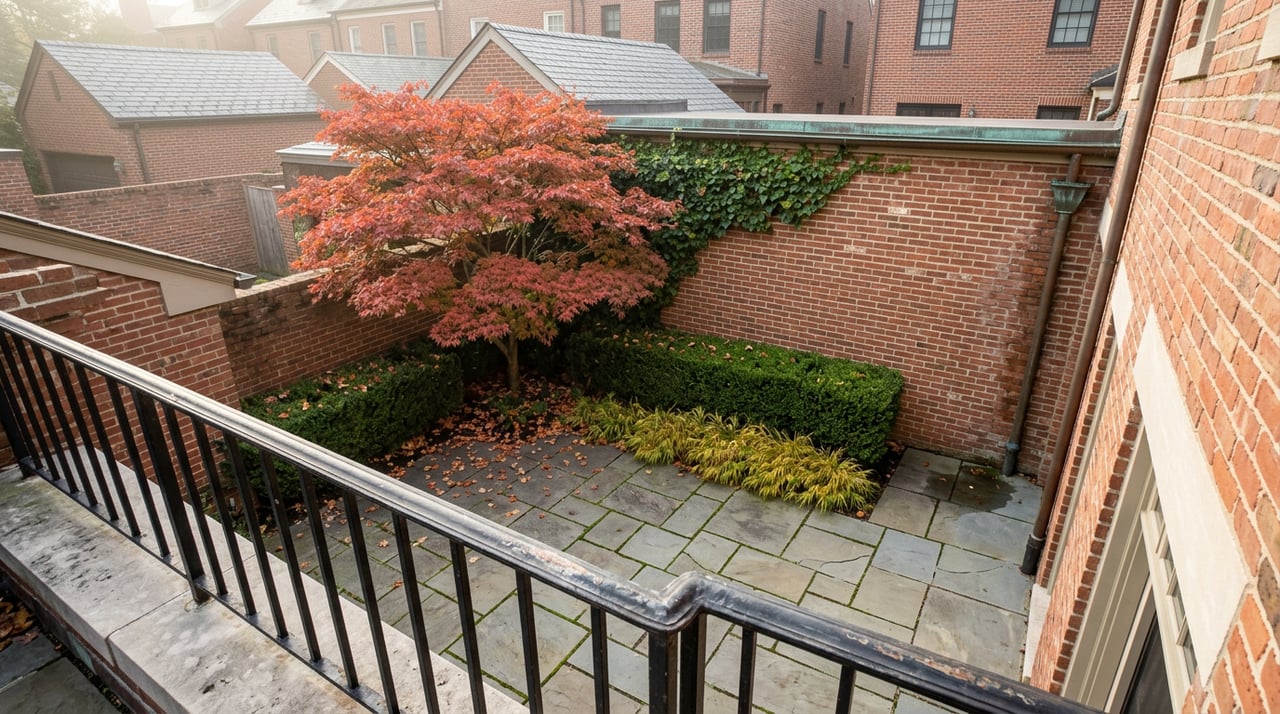
Location within the building matters. Avenue‑facing rooms on Central Park West, Park Avenue, or Broadway tend to have larger windows and views. Courtyard‑facing rooms are often quieter but may be darker. Corner units typically get better cross‑ventilation and light. Interior corridor layouts may feel calmer if you prefer less street noise.
Co‑op ownership basics
Most classic sixes are in co‑op buildings. You are buying shares in a corporation and receiving a proprietary lease for your unit. That means building rules, finances, and the board are central to your ownership experience. Maintenance charges usually cover building operations like staff, management, common area upkeep, insurance, and often a portion of property taxes and any underlying mortgage. Always confirm what your maintenance includes.
Sublet policies, pet rules, and renovation guidelines vary by building. Prewar co‑ops often have stricter standards than newer condos. The upside is well‑run buildings, thoughtful stewardship of the property, and strong communities. The tradeoff is more review and approvals when you buy or renovate.
Financing and board approval
Co‑op financing rules vary by building. Many co‑ops expect higher down payments than condos and may require a minimum equity stake. Boards review financials, debt‑to‑income, liquid reserves, and the source of funds. Some buildings limit financing types or set higher post‑closing liquidity expectations.
The purchase process includes an application package, document review, and a board interview. Boards can request references, tax returns, and detailed financials. Be prepared for timing that accounts for board schedules and building requirements.
Value and resale drivers
Classic sixes hold strong appeal because of their layout and scale. Buyers value formal rooms, generous circulation, and the ability to entertain. Resale value depends on condition, the building’s reputation, maintenance levels, and board policies. Restrictions on sublets or renovations can narrow the future buyer pool. Understanding the typical buyer profile for the building, such as families, downsizers, or pied‑à‑terre owners, helps you assess long‑term demand for your layout.
Renovation ideas that respect the bones
Many buyers modernize a classic six while preserving its best features. Common updates include:
- Opening the kitchen to the dining room or living room for easier flow.
- Creating an en‑suite bathroom and enlarging closets.
- Converting the maid’s room into a home office, walk‑in closet, or powder room.
- Upgrading electrical, plumbing, and HVAC for comfort and safety.
You can keep the period moldings, floors, and doors while improving function. Buyers who love prewar detail often pay premiums for intact craftsmanship. Others prefer a hybrid approach that blends original character with a more open kitchen and improved storage.
Structural and systems limits
Before you plan major changes, confirm feasibility. Many partitions in prewar buildings are load‑bearing, so removing them requires structural engineering and approvals. Kitchens and baths typically stack vertically. Moving them far from the stack can add major cost for venting and drainage and may be restricted by building systems.
Older units often need panel upgrades and sometimes rewiring to handle modern loads. Radiator heat is common. Central air can be added using mini‑split systems, but that may require board approval and, in landmarked buildings, Landmarks Preservation Commission review for any exterior work.
Permits and approvals you will need
Renovations in Manhattan often require two tracks of approval: your co‑op board and the NYC Department of Buildings. Any work affecting structure, plumbing, or multiple units usually needs licensed professionals and DOB permits. Most co‑op boards require detailed plans, contractor insurance, protection plans for common areas, proof of permits, and sign‑off inspections. Some buildings have a list of approved contractors or limit working hours to protect residents.
If the building is in a historic district, exterior changes like new AC sleeves or façade work typically require Landmarks Preservation Commission approval. That adds time, so build it into your plan.
Health and safety in prewar homes
Prewar buildings can contain materials that require care. Buildings built before 1978 can have lead‑based paint. Older insulation and pipe materials may contain asbestos. If abatement is needed, licensed contractors and proper protocols are required. Galvanized steel plumbing can reduce water flow and may need replacement. These items are manageable with the right team, timeline, and budget.
Cost and timeline expectations
Renovating in a Manhattan co‑op is different from a suburban project. Building rules, DOB permitting, union labor, and site logistics add complexity. Cosmetic projects move faster. Full kitchen and bath overhauls or structural work take months. Always obtain multiple bids from contractors who have experience in NYC co‑ops, and ask for references specific to similar buildings.
Staffing, amenities, and maintenance
Staffing levels shape daily life and monthly costs. Many larger prewar co‑ops offer a doorman or concierge, a resident superintendent, and porters. Smaller buildings may have a part‑time super and no door staff. More service typically means higher maintenance.
Amenities vary. You may see laundry rooms, bike storage, package rooms, gardens, storage cages, playrooms, fitness rooms, and rooftop access. Private storage is highly valued. Installing new amenities in older buildings often requires capital projects and board approvals, so confirm rules, fees, and any upcoming work that could affect services or assessments.
Touring checklist for a classic six
Use this quick list to focus your search and due diligence:
- Floor plan and square footage. Verify the recorded size and get an as‑built plan if possible.
- Ceiling heights and light. Note exposure, street noise, and ventilation.
- Windows and radiators. Check condition, sealing, and operation.
- Signs of water or movement. Look for water stains, mold, or plaster cracks.
- Electrical capacity. Identify panel size and potential upgrade needs.
- Plumbing stacks. Find kitchen and bath verticals to gauge renovation flexibility.
- Storage. Count closets and consider whether the maid’s room can convert.
- Building documents. Review proprietary lease, house rules, board minutes, financials, and any planned capital projects or assessments.
- Policies and fees. Confirm sublet rules, flip tax, pet rules, and renovation restrictions.
- Underlying mortgage. Ask about size, term, and any history of assessments.
Common buyer questions
- What does maintenance include? It typically covers building operations and often a portion of property taxes and any underlying mortgage. Always confirm inclusions for the specific building.
- How much down payment is required? Minimum equity expectations and financing rules vary by co‑op. Many expect higher down payments than condos, plus reserves.
- How strict are sublet and renovation policies? Prewar co‑ops are often more restrictive than condos. Review the house rules and talk through your plans before you commit.
- Are classic sixes good for resale? They can command premiums for layout and scale, though value depends on condition, building reputation, maintenance levels, and board policies.
Red flags to watch closely
Be cautious when you see the following:
- Missing or poor audited financials.
- Frequent special assessments or a large, growing underlying mortgage.
- Highly restrictive sublet policies that may reduce buyer demand at resale.
- Board or building histories of litigation.
- Building rules that block reasonable upgrades like AC improvements.
Is a classic six right for you?
If you value proportion, privacy, and period character, a classic six can be an ideal fit. You get formal rooms for entertaining, space for an office or guest room, and the charm that defines Manhattan living. With the right board, clear due diligence, and a renovation plan that respects the building, you can create a home that feels both timeless and tailored to your life.
When you are ready to tour prewar co‑ops on the Upper West Side or to compare options with the Upper East Side, connect with a seasoned advisor who knows the buildings, the boards, and the process. For discreet, white‑glove guidance from first tour to board package to closing, reach out to Eileen Foy.
FAQs
What does “classic six” mean in Manhattan co‑ops?
- A classic six is a prewar layout with a foyer, living room, dining room, two full bedrooms, a smaller third bedroom or maid’s room, a kitchen, and at least one full bath.
Where are classic six apartments most common in New York?
- You will find the highest concentration in prewar co‑op buildings on the Upper West Side and Upper East Side, including avenues like Central Park West and Riverside Drive.
How do co‑op rules affect owning a classic six?
- Co‑ops review buyers, set financing and reserve standards, and control renovation, sublet, and pet policies, all of which shape your ownership experience.
What renovations are typical in a classic six apartment?
- Common updates include opening the kitchen to the dining or living room, creating an en‑suite bath, expanding closets, and converting the maid’s room to an office or storage.
What permits are required to renovate a classic six in Manhattan?
- Most structural, plumbing, or multi‑unit work needs NYC Department of Buildings permits and co‑op board approval; landmarked buildings may need Landmarks sign‑off for exterior changes.
What should I check during due diligence on a prewar co‑op?
- Review financials, board minutes, house rules, renovation restrictions, underlying mortgage, assessments, and the unit’s systems, exposure, storage, and floor plan.