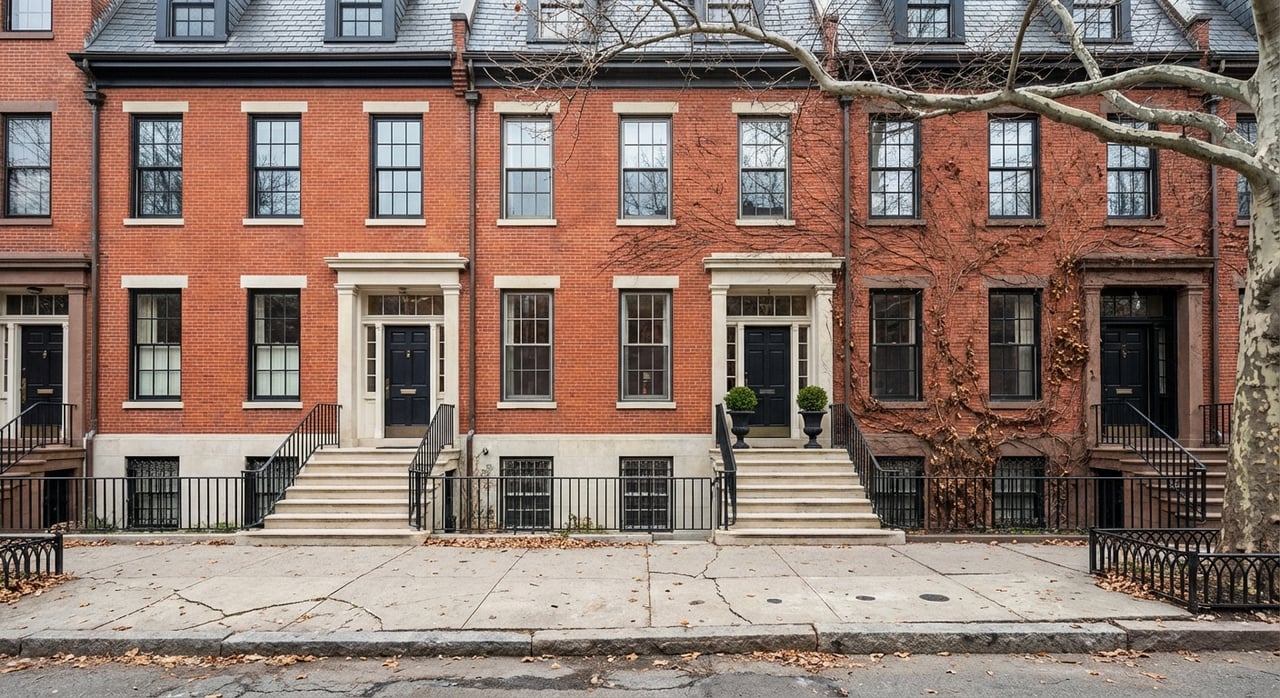
What does a normal Tuesday in the West Village feel like? Think quiet, tree‑lined streets in the morning, lively cafés by lunch, and golden‑hour strolls along the Hudson at dusk. If you are weighing a move, you likely want a clear picture of daily rhythms, where to walk, and how the housing stock and prices line up with your goals. This guide gives you a practical, street‑level view of the neighborhood, plus buying basics tailored to this part of Manhattan. Let’s dive in.
Where it sits and why it looks this way
The West Village is the western portion of Greenwich Village in Lower Manhattan, generally south of 14th Street and close to the Hudson River. Boundaries vary a bit in local usage, which is normal for New York neighborhoods.
Historic districts shape the streets
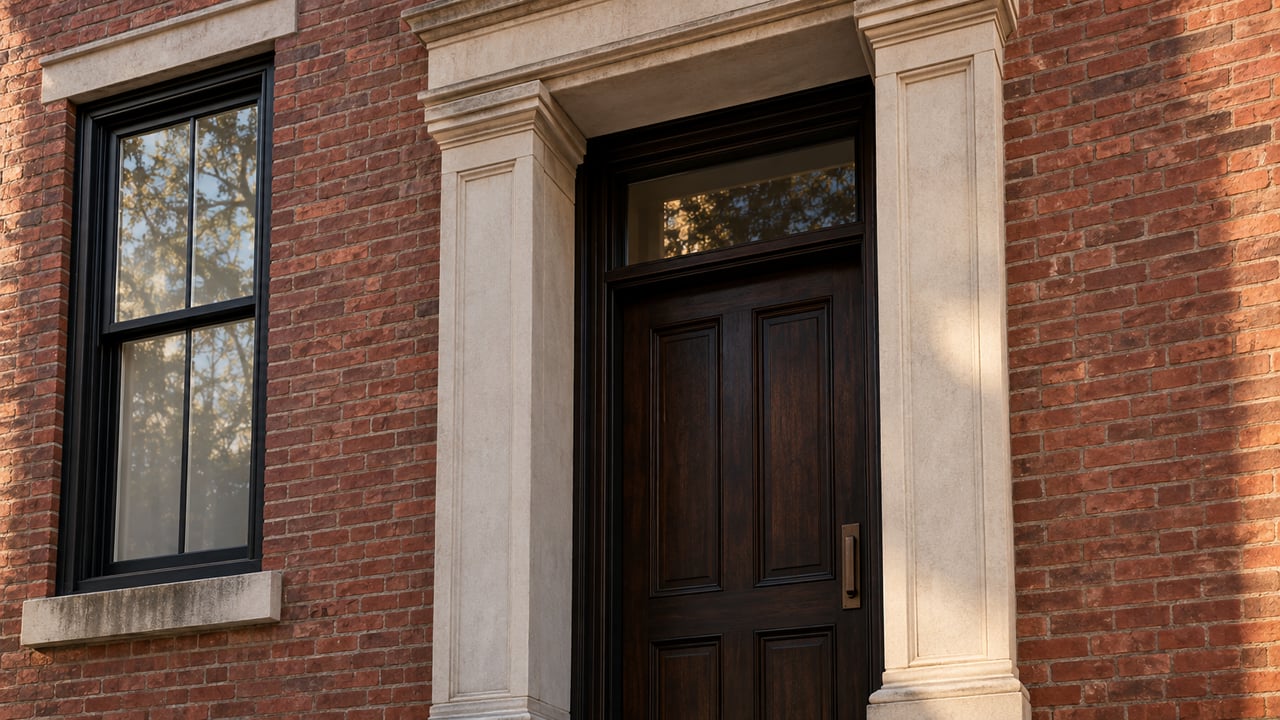
Much of the area falls within the Greenwich Village Historic District and related designations, which help preserve the low‑rise scale and facades you see on many blocks. Expect many exterior changes to go through Landmarks review. You can explore the district’s scope through Village Preservation’s overview of the Greenwich Village Historic District.
Cultural anchors you will notice
Christopher Park and the Stonewall Inn sit at the heart of the neighborhood’s modern history. The site is part of the Stonewall National Monument, which adds heritage programming and brings visitors to the Christopher Street corridor.
A day in the life
Morning
Side streets feel calm and residential as dog walkers and commuters head out. Early joggers and cyclists use the river path in Hudson River Park, and small cafés set out planters and pastries.
Midday
Lunchtime crowds gather along Bleecker Street, Hudson Street, and Greenwich Avenue. To the north, daytime visitors filter through Little Island and the High Line, adding energy to the Meatpacking edge.
Evening and weekends
Evenings center on dining and neighborhood bars, with a noticeable uptick Friday through Sunday. Restaurant coverage continues to track openings and activity in the West Village, a sign of healthy churn and options for newcomers. For a taste of that momentum, see Eater’s roundup of recent NYC restaurant openings.
Streets to know
Bleecker Street
Bleecker is the classic retail and restaurant spine. You will find boutique shopping, long‑running eateries, and a simple way to get your bearings if you are new to the neighborhood.
Christopher Street and Sheridan Square
This is where local life and heritage meet. The Stonewall Inn and Christopher Park draw visitors, while small cafés and bars serve neighbors. For context on the site’s national significance, revisit the Stonewall National Monument.
Hudson waterfront and piers
The west edge opens to lawns, piers, and miles of paths along Hudson River Park. Little Island sits just to the north and is easy to reach for performances and sunset views. Learn more at Little Island’s official site.
Meatpacking and the far west
Cobblestones, converted warehouses, fashion retail, and nightlife define the north end near Gansevoort Market. It reads more commercial than the townhouse blocks farther south and east, which is part of the neighborhood’s contrast.
Quiet lanes
Cornelia, Bedford, Grove, and Jane Streets deliver the archetypal Village scene: low stoops, narrow sidewalks, and intimate scale. The area’s bohemian venues have changed over time, including the closure of Cornelia Street Café, noted in Time Out’s report.
Homes and buildings you will see
Townhouses and prewar apartments
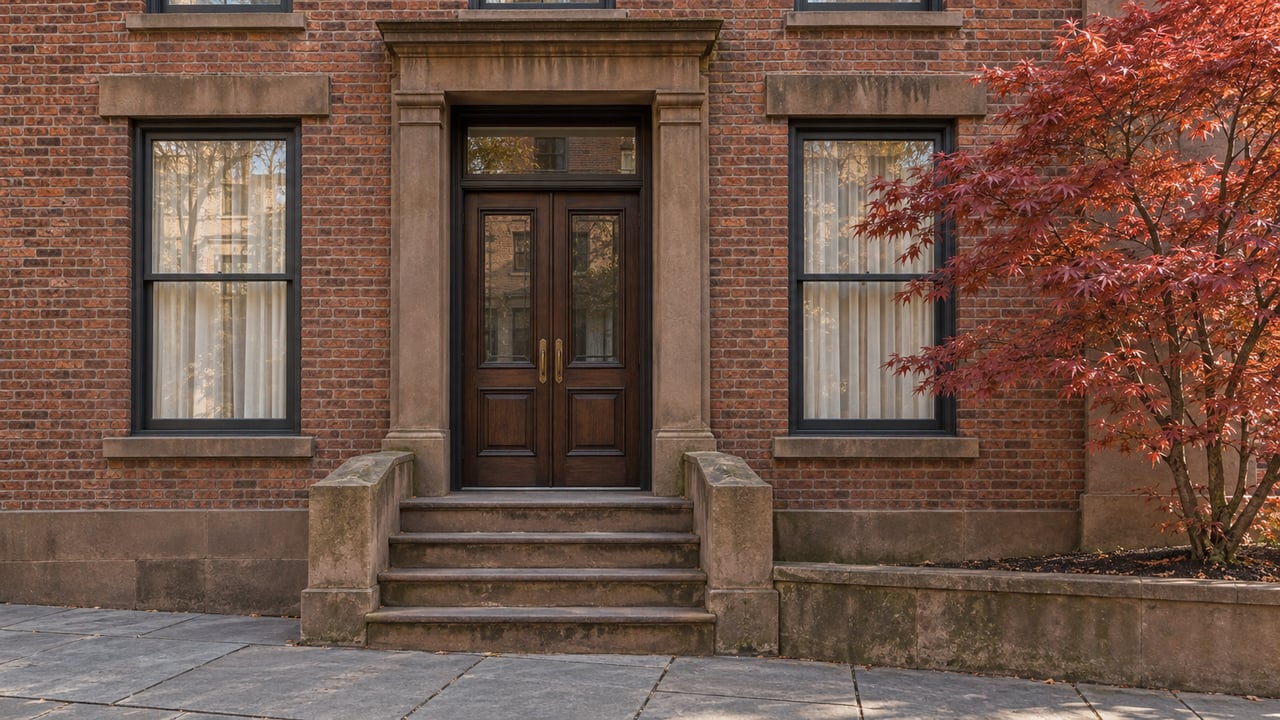
Classic brownstones and low‑rise prewar buildings define many residential blocks. Multi‑family townhouses and subdivided brownstones are common and often organized as co‑ops. Market snapshots and building types are summarized in PropertyShark’s West Village trends.
Co‑ops vs condos at a glance
Co‑ops are prevalent in established Village buildings, while condos are scarcer and concentrated in boutique conversions or newer developments, often farther west or north. If you are deciding between the two, start with this primer from CityRealty on co‑op vs condo basics.
- Co‑ops: share purchase with a proprietary lease, board approval, detailed financial review, and more restrictive sublet rules.
- Condos: deeded ownership, more flexible rental policies, and higher price points on average in this neighborhood due to scarcity.
Boutique condos and conversions
Far West Village sites and select corner lots host boutique condo conversions and newer luxury buildings. These offer terraces and modern services, and they often command premiums for flexibility and finishes.
2025 market snapshot
Recent trackers place the West Village median sale price roughly in the 1.6 million to 2.1 million range, with many mid‑market apartments trading above 2,000 dollars per square foot. Figures vary by provider and sample size, so treat them as guideposts. For current context, see the Rocket Homes West Village market report and the broader breakdowns in PropertyShark’s neighborhood trends.
- Timing: 12‑month windows through mid‑2025 generally land in that range.
- Segmentation: co‑op medians typically sit below condo medians. Townhouses and exceptional condos can reach multi‑million levels.
- Takeaway: pricing reflects a two‑track market, from smaller co‑op flats to trophy‑level condos and townhouses.
Everyday essentials
Small grocers, specialty food shops, pharmacies, and service businesses are woven into the tighter blocks, with larger markets nearby. You will find pocket parks like Abingdon Square and Christopher Park for a quick bench or green respite. Retail shifts, so expect some storefront churn over time.
Getting around
Walkability is a major advantage. The Christopher Street station on the 1 line and the West 4th Street–Washington Square complex put multiple subway routes within reach, along with surface buses and Citi Bike docks. For station details on Christopher Street, see this overview. Street parking is limited and often paid, so many residents live comfortably without a car.
Is the West Village a fit for you?
- You want character and calm on side streets with dining and culture a few blocks away.
- You value walkability, riverfront access, and a neighborhood that feels intimate during the week and social on weekends.
- You are open to co‑ops or you plan to target scarce boutique condos for more flexibility.
- You appreciate historic architecture and understand that some exterior changes may require Landmarks approvals.
Buyer checklist for this neighborhood
- Get clear on co‑op vs condo requirements early. Review board approval timelines, sublet rules, and financing structure using the CityRealty primer.
- Align your search with micro‑locations. Quiet lanes like Grove or Bedford feel different from Bleecker or the Meatpacking edge.
- Budget with a range. Use the latest Rocket Homes report and confirm building‑specific comps before offers.
- Factor landmarks. For townhouses and facades in historic districts, plan extra time for approvals on exterior work.
Next steps
If the West Village matches your day‑to‑day vision, the next move is a focused search that respects micro‑location, building type, and governance. With 30 plus years advising Manhattan buyers and sellers, I help you read the blocks, evaluate co‑op boards, and negotiate with clarity. Ready to explore available options and off‑market opportunities with a calm, experienced guide? Request a Private Consultation with Eileen Foy.
FAQs
What are the West Village’s general boundaries in Manhattan?
- It is commonly described as the western portion of Greenwich Village near the Hudson River, generally south of 14th Street, with variable eastern and southern edges in local usage.
How does the co‑op buying process differ from condos here?
- Co‑ops typically require share purchases, board approval and interviews, detailed financials, and stricter sublet rules, while condos offer deeded ownership and more rental flexibility.
What is the current median sale price in the West Village?
- Recent 2024–2025 trackers show a median roughly between 1.6 million and 2.1 million, with many mid‑market sales above 2,000 dollars per square foot.
What is daily life like on weekends vs weekdays?
- Side streets stay calmer during the week, while weekends bring brunch crowds and more activity along Bleecker, Christopher Street, and the waterfront attractions.
Is a car practical in the West Village?
- Many residents live car‑free due to excellent subway, bus, bike, and walking options, and because street parking is limited and often paid.