Imagine stepping out your front door and onto a quiet side street just off Fifth Avenue, then starting your day with a Reservoir loop or a peaceful walk under the elms of Central Park. If you want green space, culture, and convenience in one place, the Park corridor on the Upper East Side delivers it daily. You also want to understand how the housing works here, what drives value, and how to navigate co-ops and condos with confidence. This guide gives you a clear picture of daily life, real estate basics, and smart next steps so you can plan your move with ease. Let’s dive in.
Why the Park corridor stands out
The Park corridor runs along Fifth and Madison Avenues from roughly 59th to 110th Streets, where you have direct Central Park access and the museums of Fifth Avenue within a short stroll. You get a blend of quiet residential blocks and elegant avenues lined with boutiques, galleries, and services. Buildings here range from storied pre‑war co‑ops to refined townhouses and select luxury condos.
Central Park becomes part of your daily routine, not a weekend trip. You have the Reservoir for running, playgrounds and paths for kids and dogs, seasonal events, and open space that supports a calm, grounded lifestyle. That proximity, paired with cultural access and established building stock, is a primary reason the area maintains enduring demand.
Everyday life along Fifth and Madison
Side streets feel residential and relaxed, while Madison and Lexington carry more retail energy. Most errands happen on foot, with neighborhood grocers, pharmacies, medical offices, and bakeries close by. Dining is refined but low‑key, with classic Upper East Side spots near Madison and Fifth and casual cafes sprinkled across the avenues.
Here is what a typical week often includes:
- Morning jogs on the Reservoir or a quick dog‑walk through Central Park
- Museum visits and member events along Museum Mile
- Grocery runs, appointments, and shopping without leaving the neighborhood
- Evenings at neighborhood restaurants or quiet catch‑ups at local cafes
Housing options near the Park
Pre‑war co‑ops
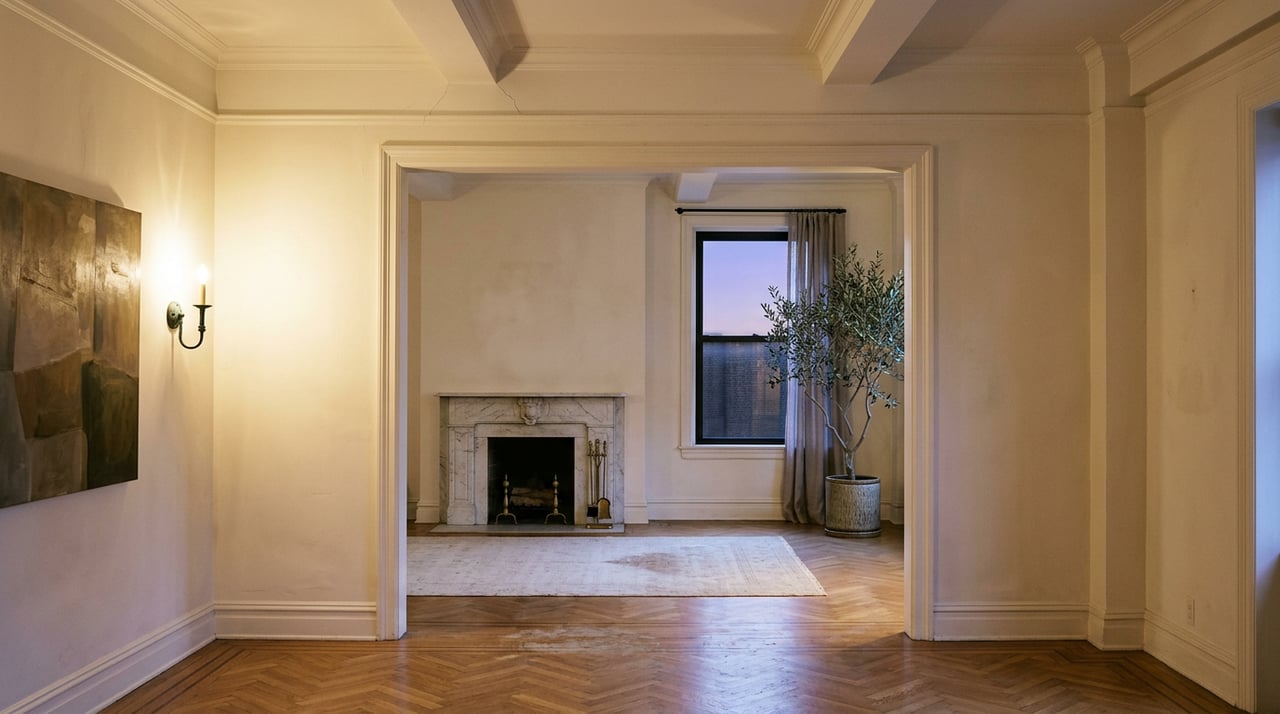
Pre‑war co‑ops are a hallmark of the Upper East Side. You see limestone and brick facades, gracious layouts with formal entries, and quality construction. Units often feature higher ceilings and traditional floor plans, with kitchens that can be smaller by modern standards. Co‑op boards are known for detailed financial review and measured decisions.
Condominiums
Condos are more common in newer buildings and select conversions. They typically offer easier approvals, more flexible subletting, and friendlier policies for investors and second‑home buyers. Resales are often more straightforward compared with co‑ops. If you value flexibility, a condo can be a strong fit.
Townhouses and brownstones
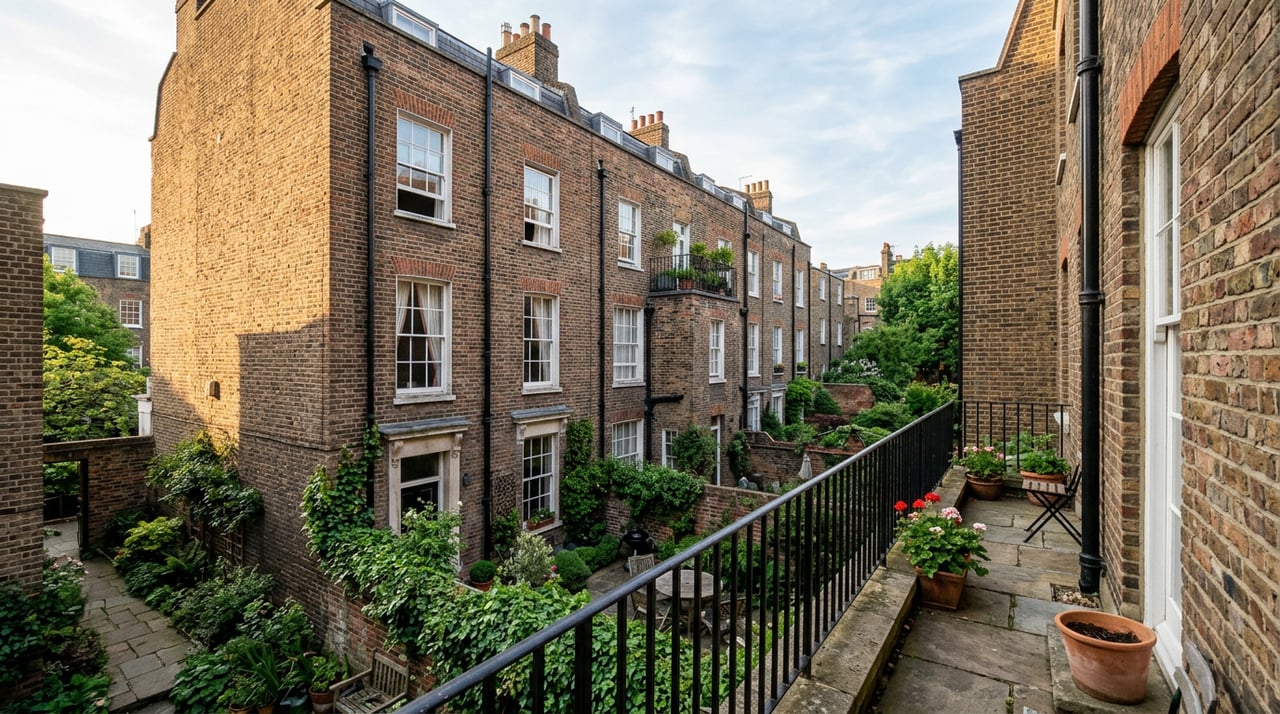
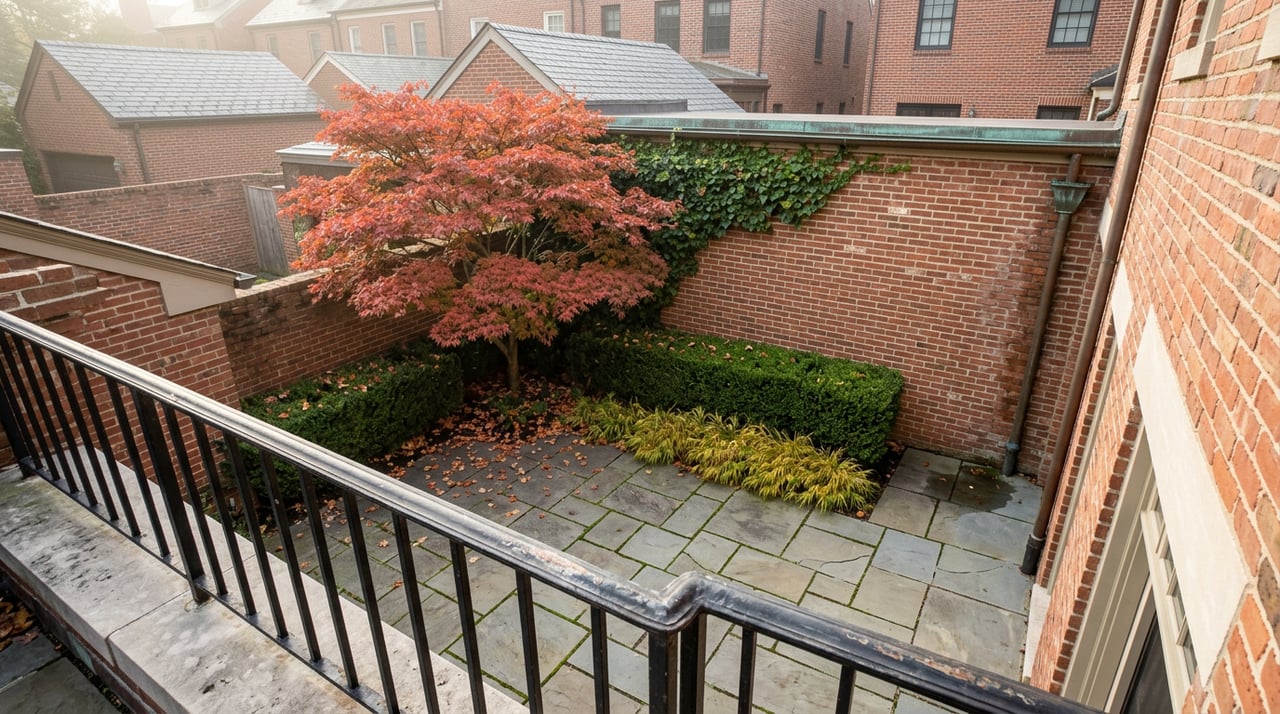
Townhouses on the side streets appeal if you want privacy and more outdoor space. You trade some services, like a doorman or elevator, for independent living and control over your home. For some buyers, this is the ideal balance of space and location.
Unit types and layouts
Inventory ranges from classic duplexes and full‑floor apartments to penthouses with park views, plus studios and one‑bedrooms suited for single buyers or pied‑à‑terre use. You will find both grand entertaining spaces and efficient footprints. Light, exposure, and view corridors are key variables that influence pricing.
What drives value near the Park
Direct access to Central Park is a premium amenity. Homes with protected park views or abundant natural light tend to command higher prices than similar homes farther east. Proximity to Museum Mile, high‑end retail along Madison and Fifth, and an established residential character reinforce steady demand.
Larger homes with park frontage are scarce and often trade at a notable premium. Entry‑level studios and one‑bedrooms can move faster, while multi‑million‑dollar co‑ops with expansive layouts may require a more patient timeline.
Buying mechanics to know
Co‑op boards and approvals
Buying into a co‑op involves a comprehensive application, financial documentation, references, and an interview. Down‑payment expectations and post‑closing liquidity can be higher than in other markets. Plan your timeline around board review so you can move with less stress.
Condo flexibility
Condos offer fewer approval hurdles and are generally more adaptable for investors and international buyers. If you want the option to rent or prefer a simpler approval process, a condo can streamline your plans.
Carrying costs and flip taxes
Co‑op maintenance fees typically cover building operations, staff, utilities, and an allocated share of real estate taxes. Condos separate common charges from real estate taxes. Some co‑ops have flip taxes or assessments, so you should review building financials early to avoid surprises.
Accessibility considerations
Many Upper East Side buildings offer elevator and doorman service, which supports aging in place and day‑to‑day convenience. Townhouses and smaller walk‑ups can present mobility challenges. Align your building choice with your long‑term needs.
Downsizing with ease
If you are right‑sizing from a larger co‑op or townhouse, the Park corridor checks many boxes. You keep cultural access, medical services, and green space while simplifying maintenance. The tradeoff is often less square footage in exchange for convenience and a single‑level lifestyle.
Key downsizing priorities:
- Choose a building with elevator access and services that match your routine
- Confirm policies on in‑unit laundry and storage solutions
- Map a realistic timeline for selling your current home, board approvals, and moving logistics
- Model monthly costs and tax considerations in advance
Transit, services, and care
You have strong subway access on the Lexington Avenue lines, including local and express service, plus the Second Avenue Subway with stations at 72nd, 86th, and 96th Streets. Buses and crosstown routes make West Side connections straightforward. Taxis, ride‑shares, and bike share are widely available.
The neighborhood is well served by medical practices, outpatient clinics, and major hospital systems on the East Side or a short transit ride away. Midtown, Grand Central, and Penn Station are accessible for regional connections, and airports are reachable by transit plus car or shuttle services depending on your route.
Schools and child services
Public schools are part of the NYC Department of Education’s East Side districts, with a mix of zoned options, district choice programs, and citywide admissions at the middle and high school levels. The corridor also includes numerous private and parochial schools and plentiful day‑care and preschool options. Since zoning and admissions details change, check current information with the NYC Department of Education and individual schools.
Smart steps to start your search
- Define must‑haves: park proximity, view priorities, building services, and layout.
- Choose your ownership path: co‑op for tradition and value, or condo for flexibility.
- Review building financials early so you understand maintenance, reserves, and any assessments.
- Plan your timeline around board approvals and moving logistics.
- Tour across price points to see how exposure, views, and building prestige affect value.
Partner with a trusted advisor
Living near Central Park on the Upper East Side is a lifestyle choice that rewards you daily, from quiet mornings in the Park to world‑class culture at your doorstep. An experienced local advisor helps you weigh tradeoffs, navigate building rules, and secure the right home with confidence. If you are considering a move or planning a downsize, request a private, discreet conversation with Eileen Foy.
FAQs
Is paying a premium for a home near Central Park worth it on the Upper East Side?
- Many buyers value daily park access, light, and views, and homes with protected exposure often command higher prices and attract resilient demand.
How does the co‑op approval process work on the Upper East Side?
- You submit a detailed application with financials and references, then complete a board interview, and timelines vary by building so build in extra time.
What is the difference between co‑op maintenance and condo common charges?
- Co‑op maintenance usually includes building operations and an allocated share of real estate taxes, while condos separate common charges from individual real estate taxes.
Are there elevator and doorman buildings close to Central Park for accessibility?
- Yes, many Upper East Side buildings provide elevator and doorman services, though some townhouses and walk‑ups may present mobility challenges.
How convenient is commuting from the Park corridor to Midtown or downtown?
- You have strong north–south service on the Lexington Avenue lines and Second Avenue Subway, plus crosstown buses for flexible connections across Manhattan.
What should downsizers prioritize when moving near the Park?
- Focus on single‑level living, building services, storage, in‑unit laundry policies, and a realistic timeline for selling your current home and completing approvals.