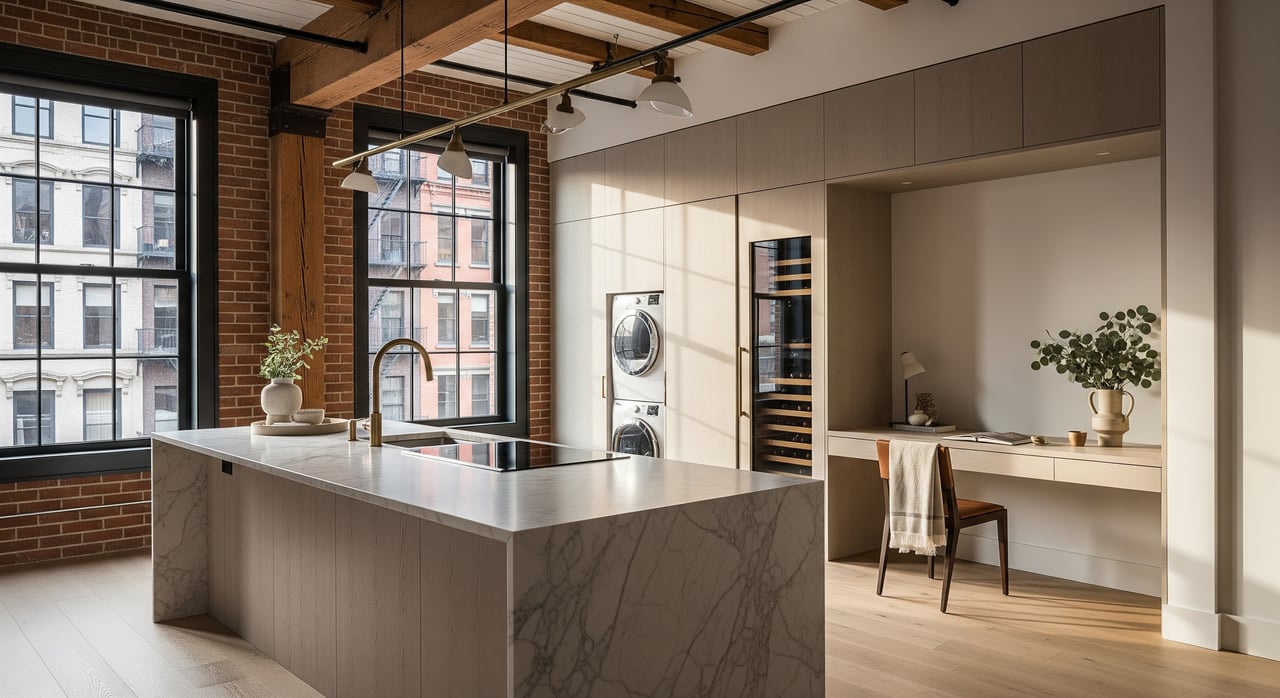
Thinking about a NoHo loft? You are likely drawn to the light, the volume, and the downtown energy. What often seals the deal are the everyday conveniences that make life smooth when you are busy or in and out of the city. This guide lays out what you can expect in NoHo’s boutique loft buildings and on the surrounding blocks, from transit and delivery logistics to fitness, dining, and practical services. Let’s dive in.
Why NoHo works day to day
NoHo sits between SoHo, Greenwich Village, and the Bowery, so you have a compact, highly walkable base for errands and plans. Many daily needs can be handled on foot or with a quick ride. The neighborhood’s scale means you are rarely more than a few minutes from cafés, markets, and personal services. Second‑home owners and relocating executives often choose NoHo because it balances character with convenience.
Getting around fast
Subways within minutes
You are close to key subway lines that make commuting straightforward. The 6 train at Astor Place and the B, D, F, and M lines at Broadway–Lafayette/Bleecker Street put Midtown, Lower Manhattan, and Brooklyn within easy reach. Additional lines along nearby corridors broaden your options, so you can plan trips without long transfers.
Short‑trip options
For short hops, walking is often fastest. Citi Bike docking stations are common in and around NoHo, and ride‑hailing is reliable. Major cross streets offer frequent bus service. If you prefer to keep a bike or scooter in the building, confirm storage availability and any rules for bringing them through common areas.
What loft buildings typically offer
Loft types in NoHo
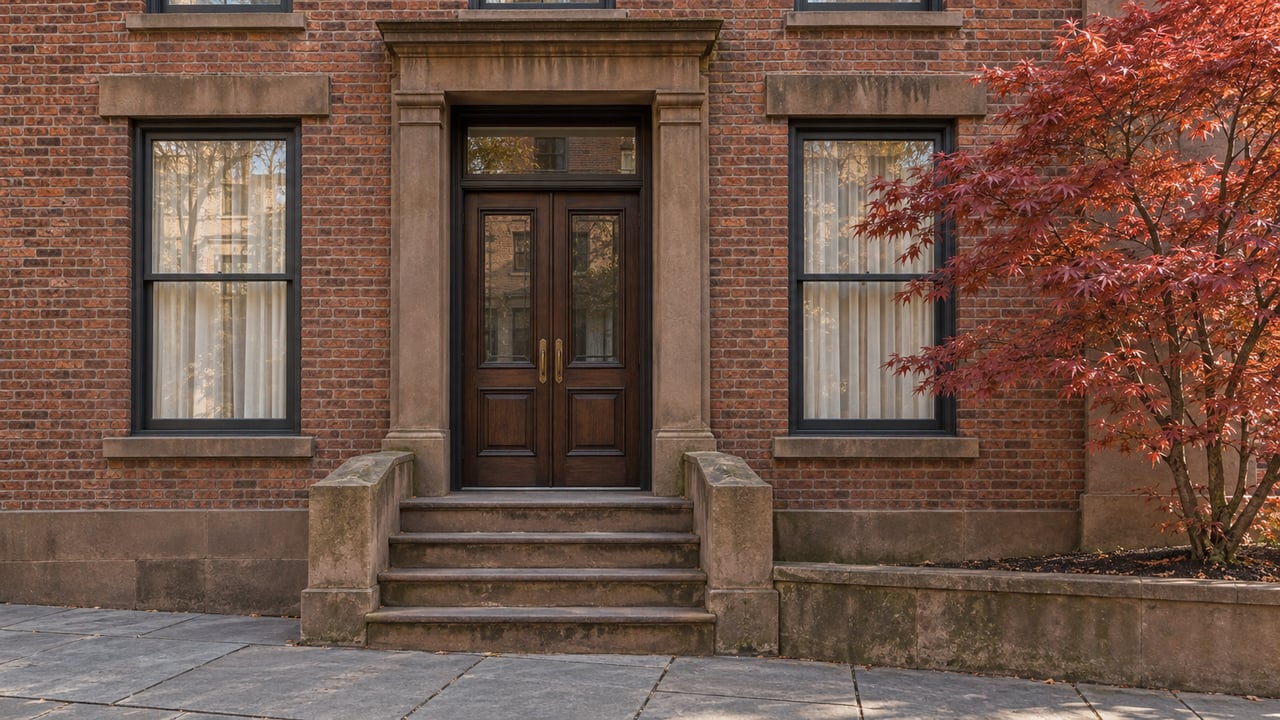
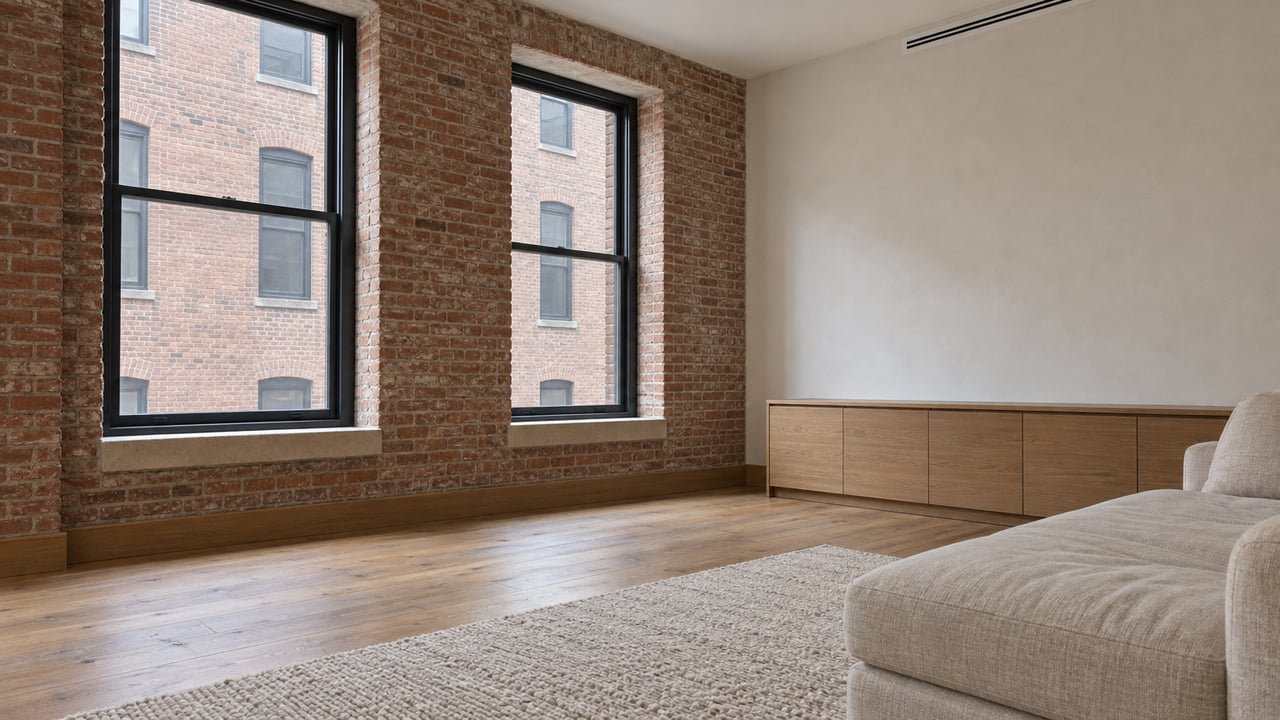
You will see two main categories. Historic conversions are former manufacturing or commercial buildings with cast‑iron details, timber beams, tall ceilings, and oversized windows. Newer infill condos recreate those generous proportions while adding modern mechanicals, insulation, and in‑unit HVAC. Co‑ops exist too, but condo buyers often value the added flexibility for subletting and renovations.
Access, elevators, and security
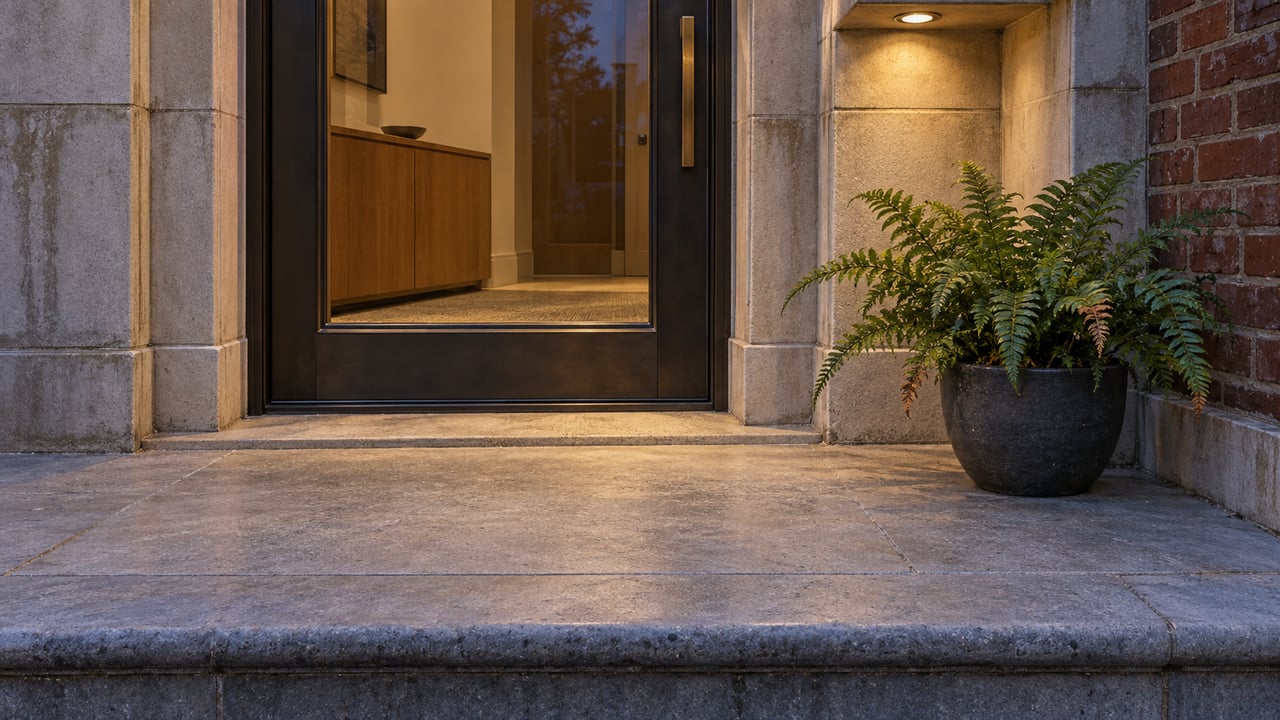
Boutique loft buildings usually have secure entry with keyed or fobbed systems. Elevators are the norm, and some homes have private keyed elevators that open directly into the unit. Staffing varies by property. Expect everything from a live or part‑time doorman to virtual concierge coverage. Always verify hours and scope of service when you tour.
Package handling you can trust
With frequent deliveries, reliable package management matters. Many boutique condos now include secure package rooms or smart lockers. Smaller or older properties may still rely on lobby storage or pickup procedures. Ask how oversized items are handled and whether building staff coordinate with carriers for scheduled deliveries.
Laundry made easy
In‑unit washers and dryers are increasingly standard in modern conversions and well‑renovated homes. Some older loft buildings may offer shared laundry rooms or unit‑level solutions like stackable systems. If a home lacks in‑unit laundry, you will find robust pickup and drop‑off laundry services in the neighborhood.
Storage that works
True lofts often trade closets for openness. Many buildings offer basement storage lockers, and some residents use off‑site storage partners. If you plan built‑ins, confirm where custom millwork can go and how it interacts with windows and beams. For cyclists, dedicated bike storage is common, though capacity can be limited.
Fitness rooms and roof decks
Not every boutique building has a gym or roof deck. Some new development condos include a private fitness room, landscaped terrace, or a lounge space, while many older conversions do not. If wellness is a priority, confirm whether a building has those spaces or plan to use the neighborhood’s strong studio and gym options.
Bikes and parking
On‑site parking is rare in NoHo. Residents who keep a car typically rent a spot in a nearby garage. If you rely on bikes, confirm whether the building’s storage fits your needs, and check any rules about bringing bicycles in elevators.
Pets and HVAC basics
Many boutique condos are pet‑friendly, but policies vary. Ask about breed or size limits, deposits, and leash rules in common areas. For climate control, older lofts may use window units or split systems for air conditioning, while newer conversions often feature central HVAC or modern splits.
Everyday services right outside
Food shopping and delivery
You will find a mix of full‑service markets, specialty food shops, bakeries, and premium purveyors within a short walk. Same‑day grocery delivery is well covered, so stocking the fridge between trips is easy. If you love to cook, proximity to specialty produce, cheese, and fish counters is a real perk.
Dining and coffee culture
NoHo has a dense range of cafés, casual spots, and fine‑dining rooms that work for breakfast meetings, quick lunches, or late dinners. Many cafés offer reliable Wi‑Fi if you want a change of scene while working. Reservations are easy to manage with plenty of options within a few blocks.
Fitness and wellness
Boutique studios for Pilates, barre, and cycling are common, and they often use flexible membership or class‑pack systems that suit part‑time residents. You will also find wellness services like massage, physical therapy, and specialty dermatology or med‑spa care, typically by appointment.
Personal care and errands
Dry cleaners, tailoring and shoe repair are clustered along key blocks, which keeps basics simple. On‑demand services are widely available, including laundry pickup, in‑home pet care, and even mobile car detailing. These options help fill gaps if your building does not offer full service staffing.
Culture and green pockets
NoHo is known for intimate theaters, galleries, and independent performance spaces that make spontaneous evenings easy. Washington Square Park and other small green spaces are a short walk for a quick reset outdoors. The area’s boutique shopping and design studios add to the neighborhood’s creative energy.
Practical questions to answer before you buy
Renovation and landmark rules
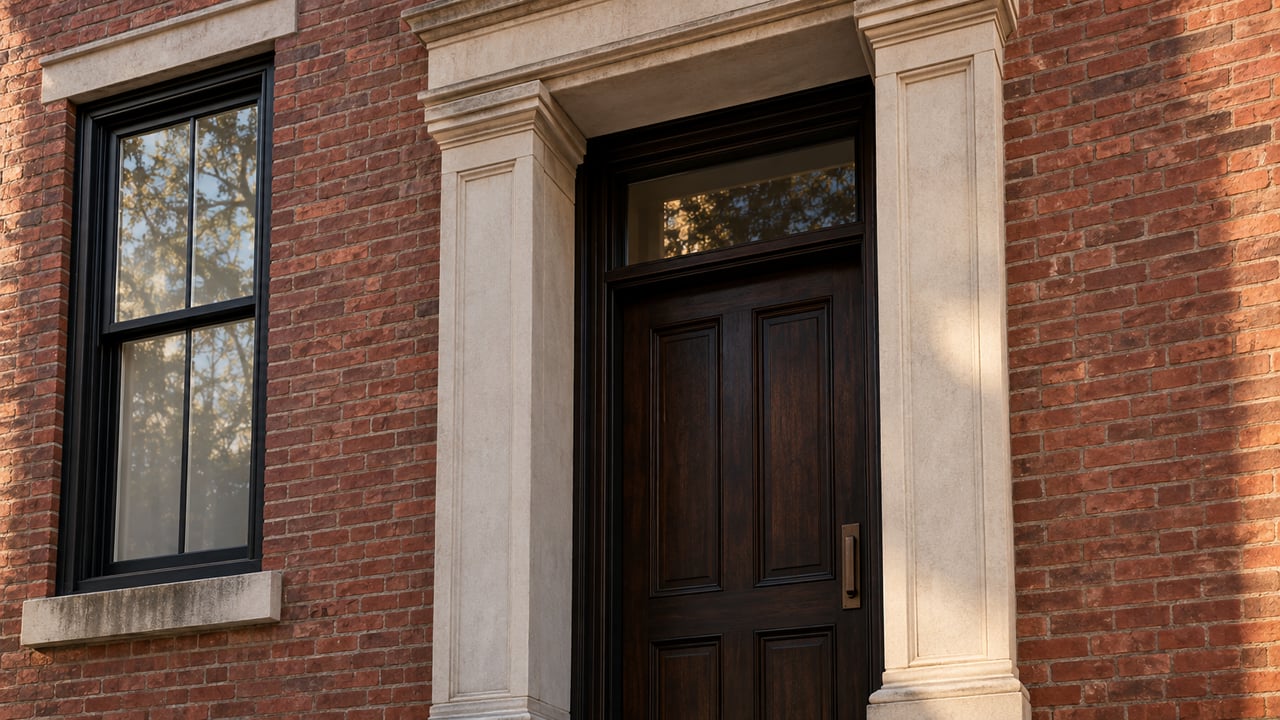
Much of NoHo sits within a designated historic district overseen by the Landmarks Preservation Commission. Interior renovations within your unit are typically allowed. Exterior or street‑facing changes usually require permits and review. If you plan visible exterior work, storefront updates, or mechanical penetrations, factor review timelines into your schedule. Mechanical upgrades like adding central AC may also require building approvals and coordination.
Monthly costs and coverage
Boutique buildings can have lower common charges than full‑service towers, but costs vary with staffing and capital needs. Review the budget, reserve fund, and any recent or upcoming assessments for items like roofs, façades, or windows. Confirm which utilities and services are included, and whether there is a superintendent or part‑time attendant.
Deliveries and moves
Ask how the building handles large deliveries. You will want clarity on service elevators, loading zones, and any curbside rules for furniture or contractor access. Confirm building hours for moves and whether you need a COI from vendors.
Storage and large pieces
Open plans often lack fitted closets, so many buyers budget for custom storage. Measure doorways, stairwells, and elevator cabs for large pieces or art. If ceiling heights vary, plan where tall wardrobes or shelving will sit.
Sound and privacy
Loft buildings can experience typical city sound. Many residents embrace the urban ambient, but it is worth asking about double‑glazed windows, insulation steps taken in the conversion, and any house rules that help manage noise between units.
Subletting and short stays
Condo bylaws tend to be more flexible than co‑ops, but each building sets its own rules. If you plan to rent your home part‑time, review minimum lease terms and any restrictions on short‑term rentals before you commit.
Insurance details
Large windows, exposed elements, and custom finishes can affect your insurance needs. Ask what the building’s master policy covers and what you should carry as a unit owner for improvements and contents.
A simple buyer checklist
Use this quick list during tours and diligence:
- Building staffing and hours, including package handling.
- In‑unit laundry or shared laundry options nearby.
- HVAC type and age, plus any rules for upgrades.
- Storage solutions, including lockers and bike storage capacity.
- Fitness, roof, and lounge amenities, if any.
- Delivery logistics and moving procedures.
- Pet policies, deposits, and common‑area rules.
- Subletting rules and any short‑term restrictions.
- Common charges, reserve fund health, and recent assessments.
- Historic district status and any approvals that could affect your plans.
How Eileen helps you settle in
Buying a NoHo loft is as much about fit as it is about square footage. You want everyday ease in a building that matches your rhythm. With more than 30 years of Manhattan experience and deep relationships across co‑ops and condos, Eileen brings clear guidance on staffing, operations, bylaws, and the practical details that impact daily life. Her approach is hands‑on and discreet, with the white‑glove follow‑through that makes relocations and second‑home purchases smooth.
If you are exploring NoHo or comparing it with nearby neighborhoods, you will benefit from curated options, straight answers, and confident negotiation at every step. Ready to see how NoHo loft living can work for you? Connect with Eileen Foy to Request a Private Consultation.
FAQs
What defines a NoHo loft compared to typical apartments?
- Most NoHo lofts are historic commercial conversions or loft‑style condos with tall ceilings, open floor plans, and oversized windows, which feel different from traditional layouts.
How close are NoHo lofts to subways for commuting?
- You are near the 6 train at Astor Place and the B, D, F, and M lines at Broadway–Lafayette/Bleecker Street, which connect quickly to Midtown, Downtown, and Brooklyn.
Do boutique NoHo condos usually have a doorman?
- Staffing varies by building; some have live or part‑time doormen or a virtual concierge, while others rely on secure entry and package rooms, so verify hours and services.
Can I add central AC in a NoHo loft conversion?
- Often possible, but it depends on building rules and engineering; expect to coordinate approvals and confirm what is permitted under house rules and historic guidelines.
Is parking available if I keep a car in NoHo?
- On‑site parking is rare; most residents rent a space at a nearby garage and rely on walking, subways, Citi Bike, and ride‑hailing for daily mobility.
Are pets allowed in NoHo condo buildings?
- Many boutique condos are pet‑friendly, but policies vary by building and can include size or breed limits, deposits, and leash rules in common areas.
What should second‑home buyers know about subletting in NoHo?
- Condos generally offer more flexibility than co‑ops, but each building sets minimum lease terms and restrictions on short‑term rentals, so review bylaws before buying.