Looking for a Manhattan neighborhood that feels storied, walkable, and unmistakably New York? Greenwich Village has a pull that is hard to fake. If you are considering a move downtown or simply want to understand why this area inspires so much loyalty, this guide will show you what locals love most and what makes the Village distinct. Let’s dive in.
What gives Greenwich Village its charm?
Greenwich Village feels different because it is not one uniform place. It sits within Manhattan Community District 2, alongside areas like SoHo, NoHo, Little Italy, Chinatown, Hudson Square, and the Gansevoort Market area. In real life, that means many buyers think in terms of smaller pockets and block-by-block character rather than one broad label.
A big part of the neighborhood’s identity comes from preservation. The Greenwich Village Historic District was designated in 1969, and the Landmarks Preservation Commission has noted that it remains the largest historic district in New York City. That status helps explain why so many streets still feel visually consistent and deeply rooted in the city’s past.
That sense of continuity is not accidental. In historic districts, exterior changes generally require Landmarks Preservation Commission review before work begins. For you as a buyer or seller, that often translates into a streetscape that feels unusually intact and recognizably Village.
Why the architecture feels so memorable
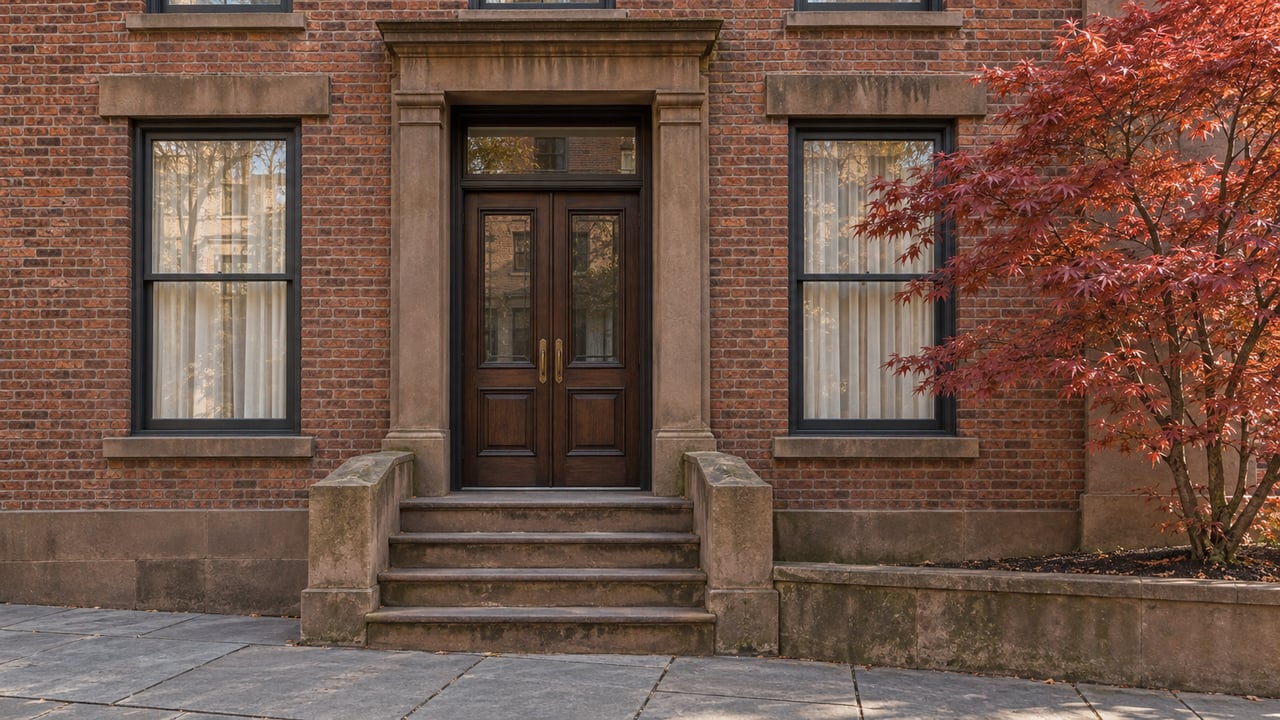
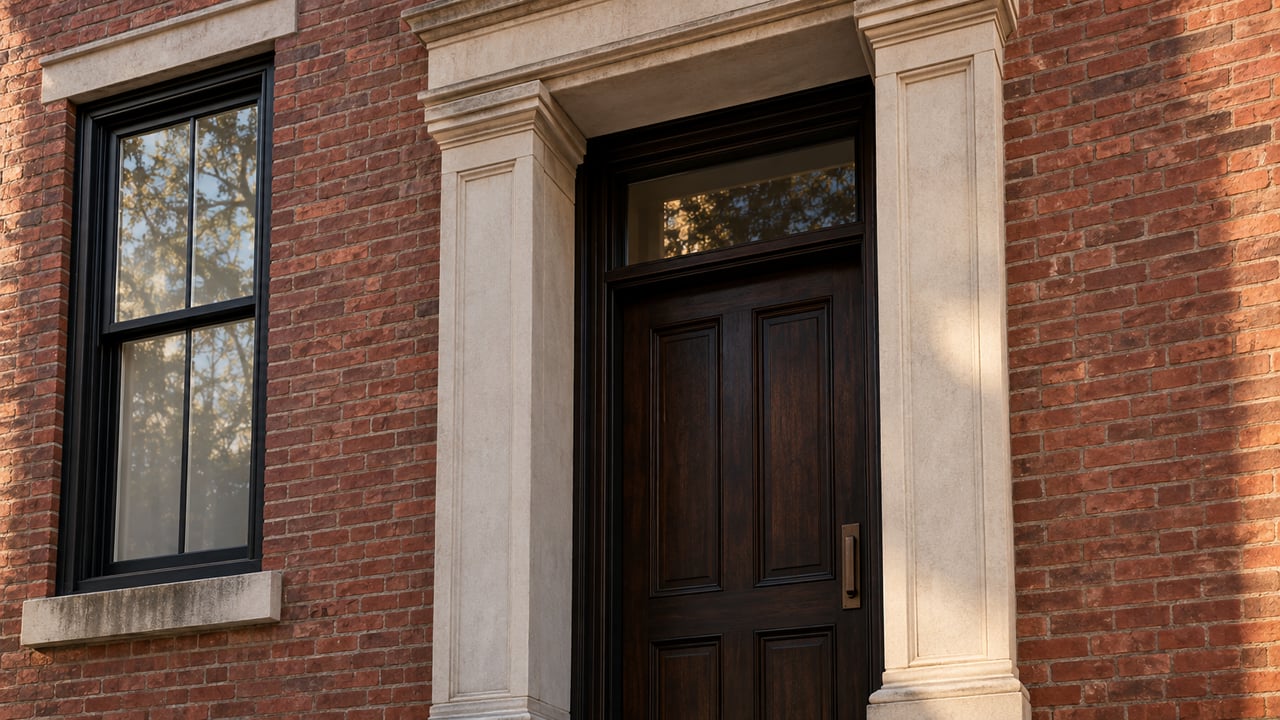
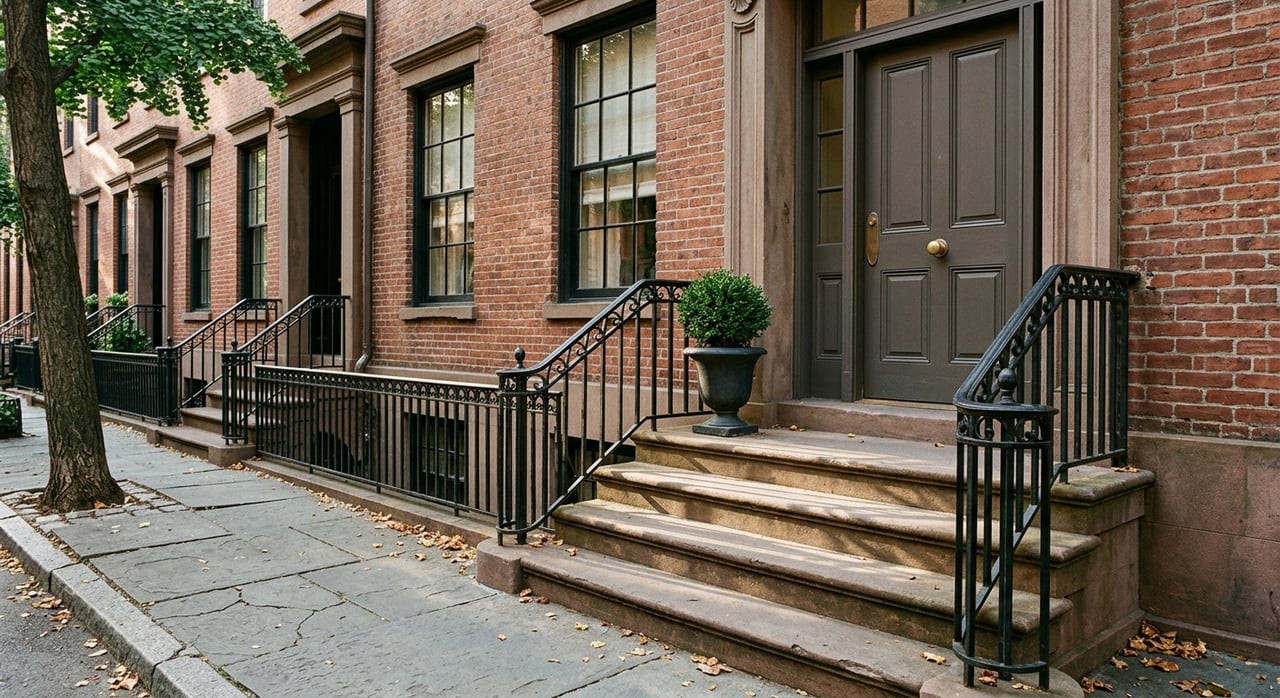
Greenwich Village charm starts with what you see at eye level. Historic district records point to a varied built environment that includes townhouses, churches, tenements, apartment houses, and later conversions. The result is a neighborhood with texture, detail, and visual rhythm instead of a single building style repeated over and over.
You will find Federal, Greek Revival, Gothic Revival, and Italianate influences in the historic record, along with later apartment buildings and converted commercial structures. That mix gives the Village a layered look that appeals to buyers who want character rather than a standard high-rise experience. It also means inventory can feel highly individual from one address to the next.
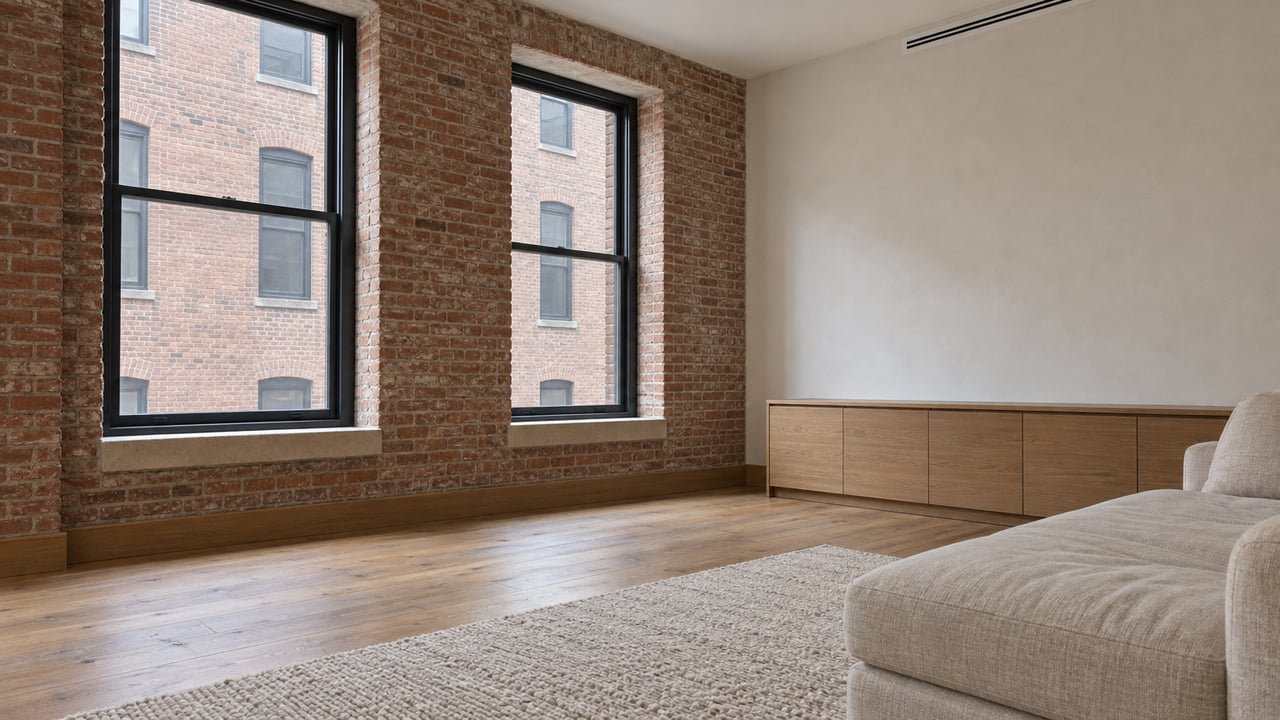
Current neighborhood guides describe Greenwich Village as a market of upscale co-ops, townhouses, and classic walk-ups, with relatively few high-rises. In practical terms, many buyers here compare low-rise apartments, townhouse floors, and condo conversions instead of large amenity towers. If you value scale, older architecture, and a more intimate street presence, that is part of the appeal.
What daily life feels like here
For many locals, the Village is less about one landmark and more about how the neighborhood works day to day. It is an apartment-heavy, transit-first area, and Furman Center data for the broader Greenwich Village/SoHo district show a 34.6% homeownership rate in 2023 and an 89.8% car-free commute rate. That points to a lifestyle built around walking, trains, and nearby essentials.
The streets can feel active without reading as corporate or overly polished. Greenwich Village has long been associated with artists, writers, activism, and preservation, according to the National Park Service. That history still shapes the neighborhood’s atmosphere today.
For buyers, this often translates into a strong sense of place. You are not just choosing an apartment. You are choosing a neighborhood where public spaces, older buildings, and local institutions remain a visible part of everyday life.
Washington Square Park anchors the neighborhood
Washington Square Park is one of the clearest reasons people fall for Greenwich Village. At 9.75 acres, it is one of NYC Parks’ best-known public spaces, and its official history traces a long evolution from marsh and burial ground to an active public commons. Today it draws residents, students, performers, chess players, activists, and visitors.
That mix matters because it gives the neighborhood a strong center of gravity. Whether you are meeting friends, passing through on foot, or simply enjoying the open space, the park helps create the kind of street life that people associate with the Village. It is lively, recognizable, and constantly in use.
For many buyers, proximity to Washington Square Park is more than a nice extra. It is part of what makes the neighborhood feel human-scaled and connected. Even when the streets are busy, the park offers a familiar landmark and a gathering place woven into daily routines.
Culture is part of the local rhythm
Greenwich Village has a long cultural legacy, and it still shows. The National Park Service points to NYU, jazz clubs, Off-Broadway theaters, the Whitney Museum of American Art, and Parsons as part of the neighborhood’s broader cultural identity. Current neighborhood guides also highlight dining and nightlife around MacDougal Street, Washington Square, and nearby blocks.
What locals tend to appreciate is how naturally culture blends into ordinary life here. It does not feel tucked away in a single entertainment district. Instead, performance spaces, long-standing institutions, and active streets all contribute to the neighborhood’s everyday energy.
That can be especially appealing if you want a neighborhood with variety built in. A quiet residential block may sit just minutes from parks, restaurants, performance venues, and a classic downtown streetscape. Greenwich Village often feels layered in that way.
The waterfront adds another dimension
When people think of Greenwich Village, they often picture the Washington Square area first. But the western edge near the Hudson adds a different kind of appeal. Hudson River Park’s Greenwich Village section runs from Canal Street to Gansevoort Street and includes Piers 45, 46, and 51, along with lawns, public art, a dog run, dining, and waterfront views.
This matters because it broadens how the neighborhood lives. You can have the historic core and still reach open waterfront space with relative ease. For many residents, that combination of classic downtown streets and riverfront access is a major reason the area feels so complete.
On the west side, Christopher Park and the Stonewall Inn add another layer of identity. Stonewall National Monument centers Christopher Park, and the National Park Service notes that Christopher Park is one of the few public open spaces serving Greenwich Village west of Sixth Avenue. That gives the area a particularly strong LGBTQ historical presence within the neighborhood fabric.
Transit makes Village life easier
Charm matters, but convenience matters too. One of Greenwich Village’s biggest practical strengths is access. The MTA identifies several nearby stations with accessibility features, including West 4 St-Washington Sq, 14 St, 14 St/6 Av, 14 St/8 Av, and Bleecker St.
West 4 St-Washington Sq is a major connection point, serving B, D, M, A, C, and E service patterns, while Bleecker St connects to Broadway-Lafayette. The MTA also identifies Christopher St-Stonewall as the west-side Christopher Street stop. Together, these stations help make the area station-rich and easy to navigate without a car.
For you, that can mean simpler commuting, easier crosstown and downtown access, and a lifestyle that does not depend on driving. It also supports the neighborhood’s walkable feel, which is one of its most consistent draws.
How Greenwich Village differs nearby
If you are comparing downtown neighborhoods, it helps to know that Greenwich Village is not the same as SoHo, NoHo, or the West Village. NYC Planning describes SoHo and NoHo as dynamic mixed-use neighborhoods with residential, office, creative, and retail space, shaped in part by manufacturing history and a live-work tradition.
Greenwich Village reads differently. It is generally more residential and preservation-driven, with low-rise landmarked blocks, older apartment houses, and townhouse streets. Instead of a loft-and-retail identity, the neighborhood tends to revolve around its historic core and established street pattern.
The West Village is best understood as the Hudson-facing pocket of the broader Village. Neighborhood guides describe it as primarily residential, with historic townhouses and walk-ups, and its identity is reinforced by Hudson River Park and Christopher Park. If you are deciding between the two, Greenwich Village often suggests the Washington Square core, while the West Village tends to feel more waterfront-adjacent and tucked away.
What buyers often appreciate most
Greenwich Village tends to attract buyers who value character, location, and a real sense of neighborhood. The housing stock is varied, the public spaces are meaningful, and the streetscape has been protected in ways that remain visible. That combination can be hard to replicate elsewhere in Manhattan.
You may also appreciate that the neighborhood supports different goals at once. It can offer a classic co-op or townhouse setting, strong transit access, notable cultural life, and proximity to both park space and the waterfront. Few Manhattan neighborhoods combine all of that in such a compact footprint.
In a market where many areas can feel defined by newer development or a more uniform building mix, Greenwich Village stands out for its continuity. It feels established, layered, and distinctly local. That is often the kind of charm buyers remember long after a first visit.
If you are weighing a purchase or sale in Manhattan and want clear, strategic guidance, working with an experienced advisor matters. For tailored insight and discreet, high-touch representation, connect with Eileen Foy.
FAQs
What makes Greenwich Village different from other downtown Manhattan neighborhoods?
- Greenwich Village is generally more residential and preservation-driven than nearby SoHo or NoHo, with low-rise landmarked blocks, older apartment houses, townhouse streets, and the Washington Square core shaping its identity.
What types of homes are common in Greenwich Village?
- Buyers often find upscale co-ops, townhouses, classic walk-ups, condo conversions, and other low-rise housing types rather than large amenity towers.
Why do locals love Washington Square Park in Greenwich Village?
- Washington Square Park serves as a central public space that brings together residents, students, performers, and visitors, giving the neighborhood a strong everyday gathering place.
How walkable is Greenwich Village for daily life?
- Greenwich Village is highly walkable and transit-oriented, with strong subway access and a car-light lifestyle reflected in the area’s high rate of car-free commuting.
What is the connection between Greenwich Village and the waterfront?
- The neighborhood’s western edge connects to Hudson River Park, where residents can enjoy piers, lawns, public art, dining, and waterfront views.
Why does Greenwich Village still look so historic?
- Much of the neighborhood sits within a major historic district, and exterior changes in those landmarked areas generally require Landmarks Preservation Commission review before work begins.