Trying to choose the right Upper East Side avenue? You are not imagining the differences. A home on Park Avenue can feel very different from one on Second or Third, even when the cross streets are close. If you are buying on the Upper East Side, understanding each corridor can help you narrow your search, balance lifestyle priorities, and focus on the blocks and buildings that fit you best. Let’s dive in.
Why the avenues feel so different
The Upper East Side did not develop as one uniform neighborhood. According to Landmarks Preservation Commission research, Park, Madison, and Fifth evolved earlier with luxury apartment development, while Lexington changed more noticeably in the 1920s as older rowhouses and tenements gave way to larger apartment houses, often with commercial space at street level.
East of Lexington, the historic fabric included more tenements, stables, and carriage-house uses. That history still shapes how the avenues read today. In practical terms, Park tends to feel more formal and residential, Madison more polished and retail-focused, Lexington more mixed-use, Third more movement-oriented, and Second more defined by transit improvements.
Park Avenue: formal and residential
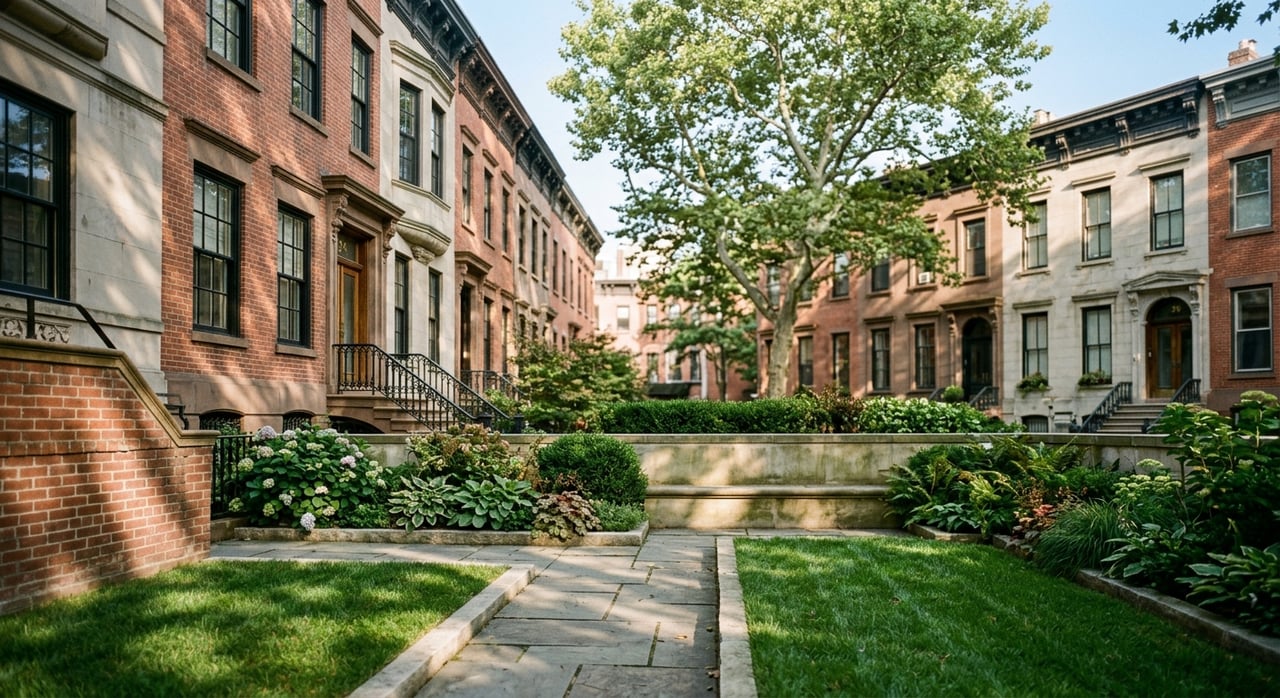
Park Avenue is the most formally residential corridor in this group. On the Upper East Side, the Park Avenue Historic District runs from 79th to 91st Street and is known for its broad roadway and landscaped malls.
If you are drawn to a quieter street presence and a classic prewar setting, Park Avenue often stands out. Compared with Madison or Lexington, it generally has less street-level retail, which can create a calmer, more residential rhythm block by block.
Who Park Avenue suits best
Park Avenue tends to appeal to buyers who value a more formal residential atmosphere and a strong landmarked identity. If you picture the Upper East Side as elegant, orderly, and distinctly residential, this corridor may align closely with that vision.
Madison Avenue: polished and park-adjacent
Madison Avenue is the most destination-driven retail corridor of the five. The Madison Avenue BID describes it as a thirty-block district with historic architecture, shopping, dining, hotels, and art, giving it a refined and highly polished street presence.
It also offers the quickest access to Central Park among these avenues. Since the park begins at Fifth Avenue, Madison sits closest to the east side of the park, which can be a meaningful advantage if regular park access is high on your list.
Who Madison Avenue suits best
Madison may be the right fit if you want a polished retail environment and a shorter walk to Central Park. It often appeals to buyers who enjoy a more curated avenue experience while still wanting a residential base nearby.
Lexington Avenue: mixed-use and convenient
Lexington Avenue plays a different role. LPC research notes that it developed later than Park and Madison, and many larger apartment houses replaced older buildings in the 1920s, often with commercial uses at ground level.
That pattern helps explain why Lexington feels like a true mixed-use spine today. NYC Planning also notes commercial overlays on major Upper East Side thoroughfares such as Lexington and Second, reinforcing Lexington’s role as one of the neighborhood’s core everyday corridors.
What Lexington offers buyers
If you want a broad building mix and strong daily convenience, Lexington often provides that balance. It also benefits from direct access to the 4, 5, and 6 lines, making it a strong option for buyers who prioritize subway access without giving up a classic Upper East Side location.
Third Avenue: active and bus-oriented
Third Avenue feels the most in motion. NYC DOT’s 2023 complete-street project covered nearly 40 blocks from 59th to 96th Street and added bus and bike lanes, pedestrian islands, and traffic-calming features along a corridor that carries more than 50,000 daily bus riders.
This is also a corridor with a more practical urban feel. Compared with Park or Madison, Third reads as less ceremonial and more utilitarian, shaped by both its history and its current transportation role.
Who Third Avenue suits best
Third may fit you if you like active street life, rely on bus service, or want an avenue that feels energetic and functional. It can be especially useful to compare if you are open-minded about style and want to weigh convenience against a more formal setting.
Second Avenue: transit-upgraded and evolving
Second Avenue is the corridor most directly changed by recent transit investment. Phase 1 of the Second Avenue Subway opened in 2017, extending the Q line to 96th Street with stations at 72nd and 86th Streets.
According to the MTA, the project served nearly 200,000 Upper East Side riders a day and reduced crowding on Lexington Avenue by an average of 40 percent. The M15, which runs along First and Second Avenues, also remains one of the city’s highest-frequency north-south bus routes.
Why buyers look at Second Avenue
If your search starts with transit, Second deserves serious attention. For many buyers, the Q line and strong bus service make this avenue especially compelling, particularly if you want the benefits of a corridor shaped by recent infrastructure investment.
Central Park versus east-side access
One of the simplest ways to think about these avenues is park geography. By straightforward street layout, Madison is closest to Central Park, followed by Park, Lexington, Third, and then Second.
That said, the Upper East Side also offers a different pattern on its eastern side. Carl Schurz Park runs along East End Avenue from East 84th to East 90th Streets, so farther-east avenues may trade some Central Park convenience for easier access to the river side of the neighborhood.
Transit by corridor
Transit can change how a block feels in daily life, so it helps to compare the avenues directly.
| Corridor | Transit character | Everyday feel |
|---|---|---|
| Madison | Nearby 4/5/6 access, M1 bus | Polished, park-adjacent |
| Park | Nearby 4/5/6 access, M1 bus | Formal, residential |
| Lexington | Direct 4/5/6 access | Mixed-use, convenient |
| Third | Heavy bus service with redesigned corridor | Active, practical |
| Second | Q line plus M15 service | Transit-upgraded, evolving |
How to choose the right corridor
The best avenue is not the same for every buyer. Your ideal corridor depends on how you want your daily routine to feel, not just how a listing looks online.
Here is a simple way to frame your search:
- Choose Madison if you want the most polished avenue setting and the shortest walk to Central Park.
- Choose Park if you value a more formal residential atmosphere and classic prewar character.
- Choose Lexington if you want an all-around balance of building variety, convenience, and direct subway access.
- Choose Third if you prefer a more active, bus-oriented corridor with an everyday city rhythm.
- Choose Second if Q train access and transit-led appeal are high priorities.
A note on value and prestige
As a general market pattern, not a fixed pricing rule, Madison and Park tend to sit in the highest-prestige tier. Lexington often occupies the middle ground, while Third and Second can offer more value flexibility.
Of course, Upper East Side pricing is never just about the avenue. Building type, condition, views, services, and even subtle block-to-block differences can matter just as much as the corridor name on the address.
Why block and building still matter most
Avenues create the broad framework, but Manhattan real estate decisions happen at the building and block level. Two homes a few minutes apart can offer very different noise levels, views, light, services, layouts, and daily convenience.
That is why corridor strategy works best when paired with building-specific guidance. If you are comparing co-ops, condos, or townhouses on the Upper East Side, a focused search can help you sort through what looks similar on paper but feels very different in person.
If you are weighing where to buy on the Upper East Side, working with an advisor who knows the area block by block can make the process much more efficient. For tailored guidance on Park, Madison, Lexington, Third, or Second Avenue opportunities, connect with Eileen Foy for a private consultation.
FAQs
Which Upper East Side avenue is closest to Central Park?
- Madison Avenue is closest to Central Park, followed by Park, Lexington, Third, and Second by simple street geography.
Which Upper East Side avenue has the best subway access?
- Lexington Avenue has the strongest direct subway access through the 4, 5, and 6 lines, while Second Avenue is anchored by the Q line.
Which Upper East Side avenue feels most residential?
- Park Avenue is generally the most formally residential corridor, with its broad roadway, landscaped malls, and relatively limited street-level retail.
Which Upper East Side avenue is best for everyday convenience?
- Lexington Avenue is often the best all-around choice for buyers who want mixed-use convenience, a broad building mix, and strong transit access.
Which Upper East Side avenue feels busiest?
- Third Avenue typically feels the most active and traffic-oriented, with heavy bus use and a corridor designed around substantial daily movement.
Does avenue location affect Upper East Side home values?
- Yes, avenue location can influence prestige and value perception, but pricing also depends heavily on building type, condition, views, and the specific block.