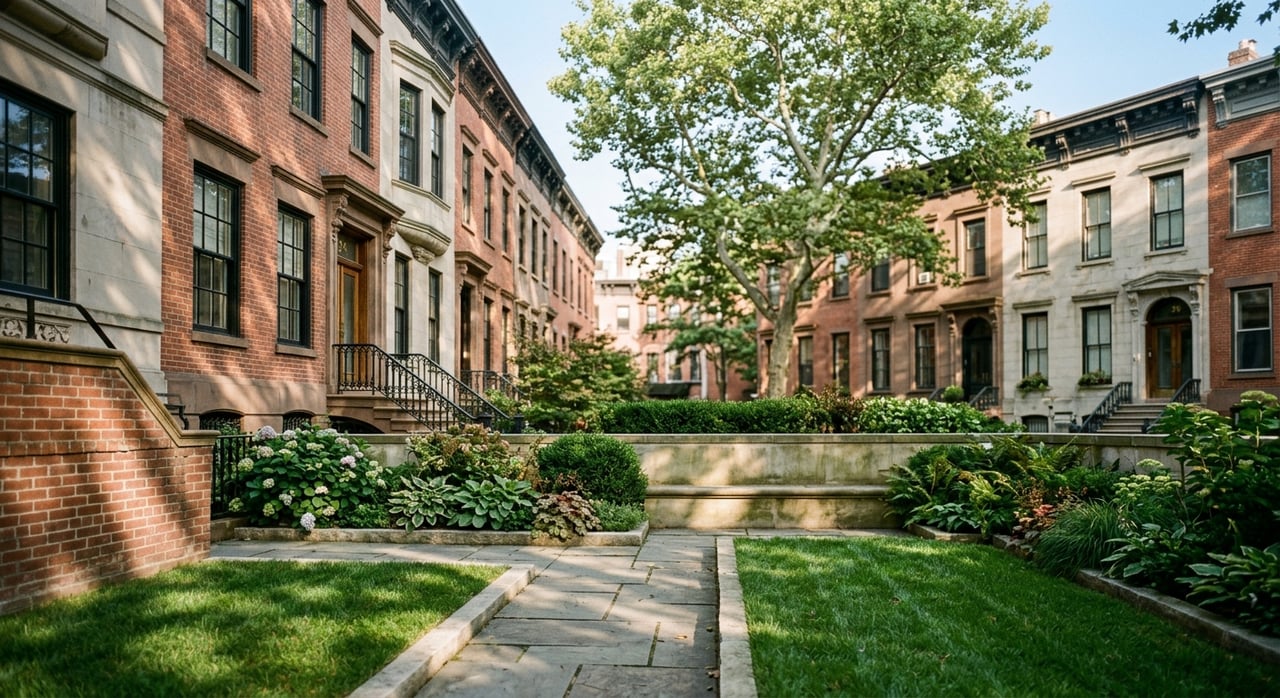
If you want a Manhattan neighborhood that feels both central and calm, Gramercy often rises to the top of the list. You may be drawn to its historic streets, easy access to nearby parks, or the simple appeal of grabbing coffee and walking home past landmarked buildings. This guide will help you understand what living near Gramercy Park actually offers, from architecture and housing stock to cafés, green space, and pricing. Let’s dive in.
Why Gramercy Feels Different
Gramercy has a reputation as a quiet residential enclave just north and east of Union Square. Even though you are close to the activity of Downtown and Midtown, the neighborhood is often described as a brief respite with an old-world feel.
That balance is a big part of the appeal. You can enjoy a more tucked-away atmosphere while staying within a quick walk of Union Square and convenient access to many subway lines. For buyers who want Manhattan energy without constant intensity, that combination stands out.
Gramercy Park and What It Means
Gramercy Park is the neighborhood’s signature feature, but it is important to understand one key detail: it is private. In fact, it is recognized as New York City’s only private park.
For many buyers, the distinction between living near Gramercy Park and having access to it matters. The park key system is tied to the surrounding lots, not to the neighborhood name itself. If private park access is important to you, that is something to verify carefully during your search.
Architecture Around Gramercy Park
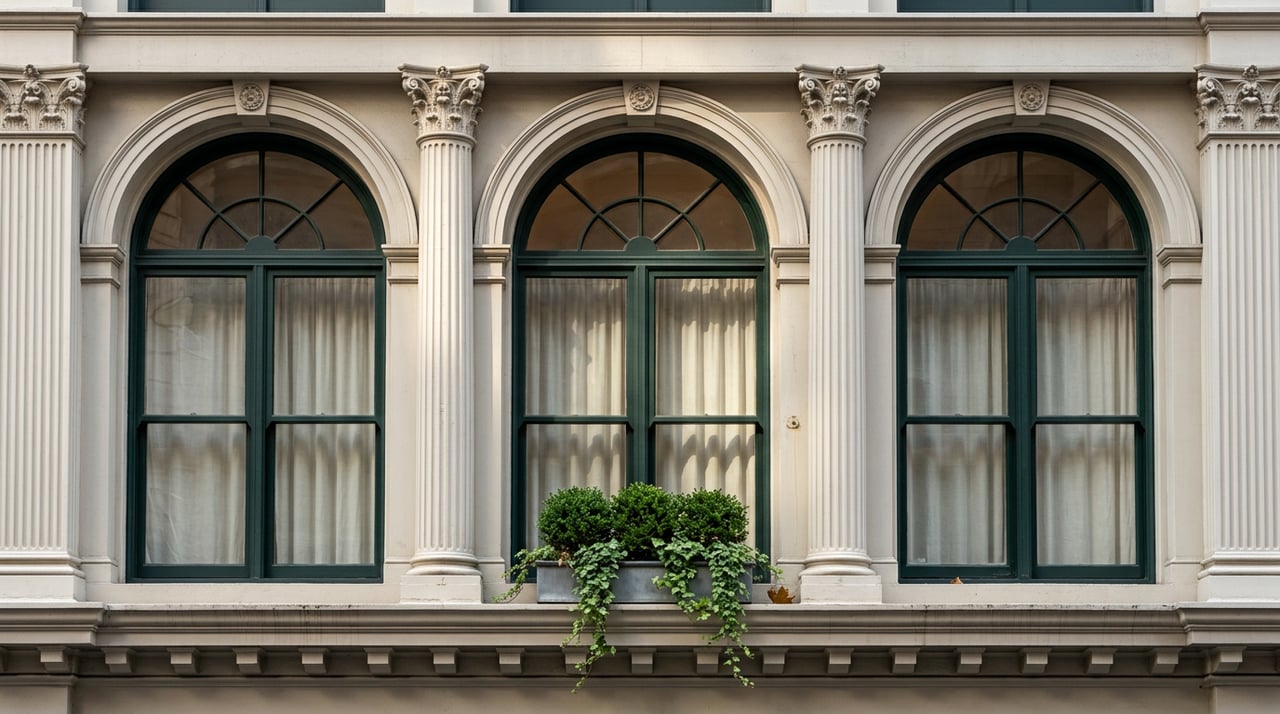
One of Gramercy’s biggest strengths is its architectural character. The area grew from an early-19th-century planned square, with residences in Greek Revival, Gothic Revival, and Anglo-Italianate styles developing around the park.
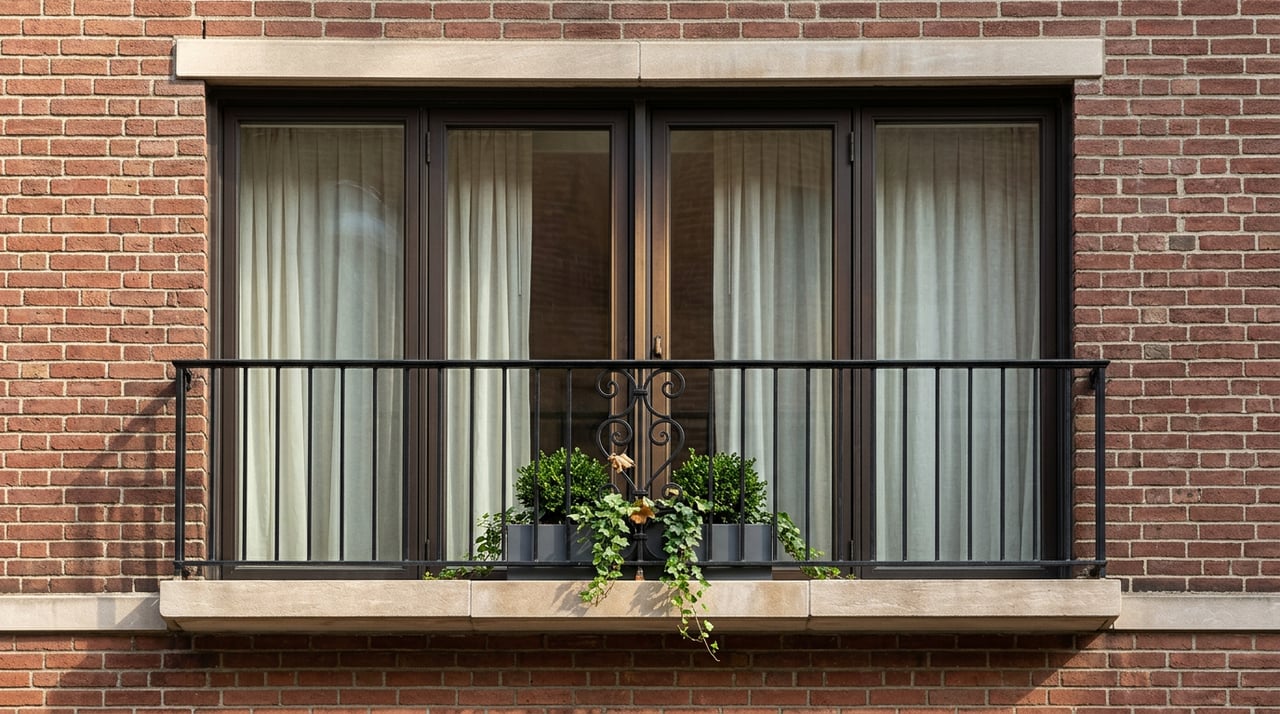
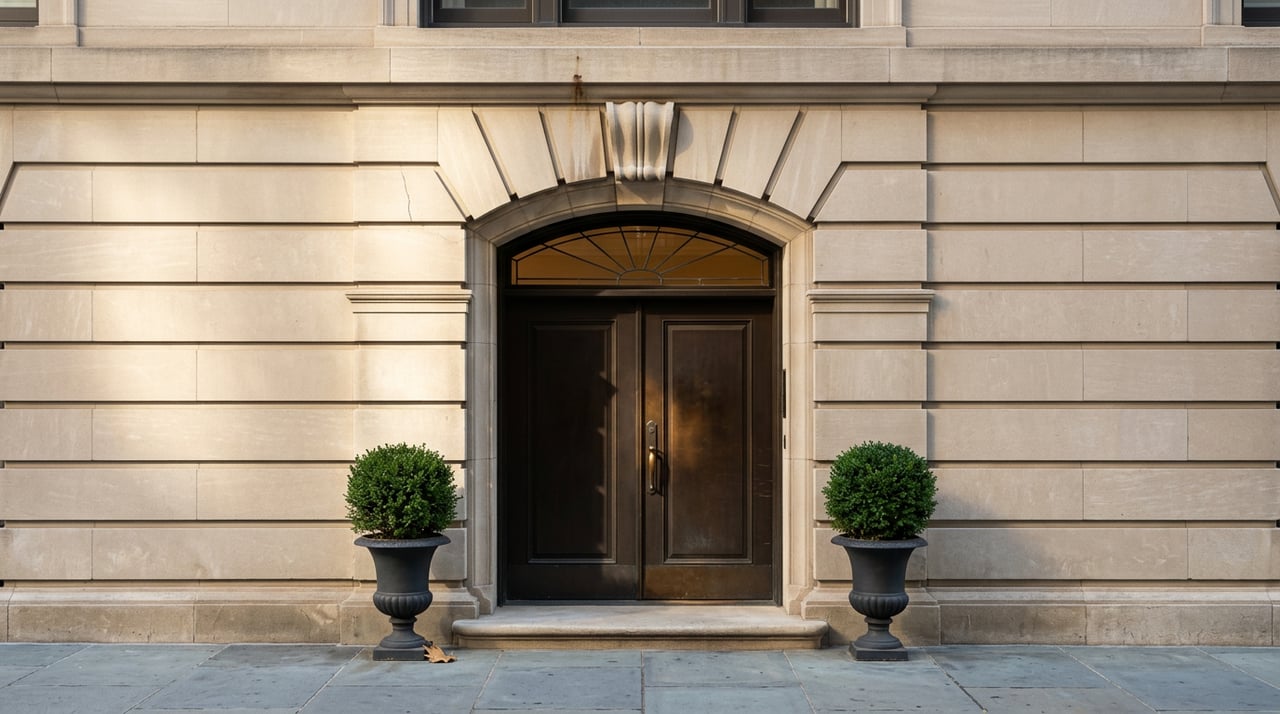
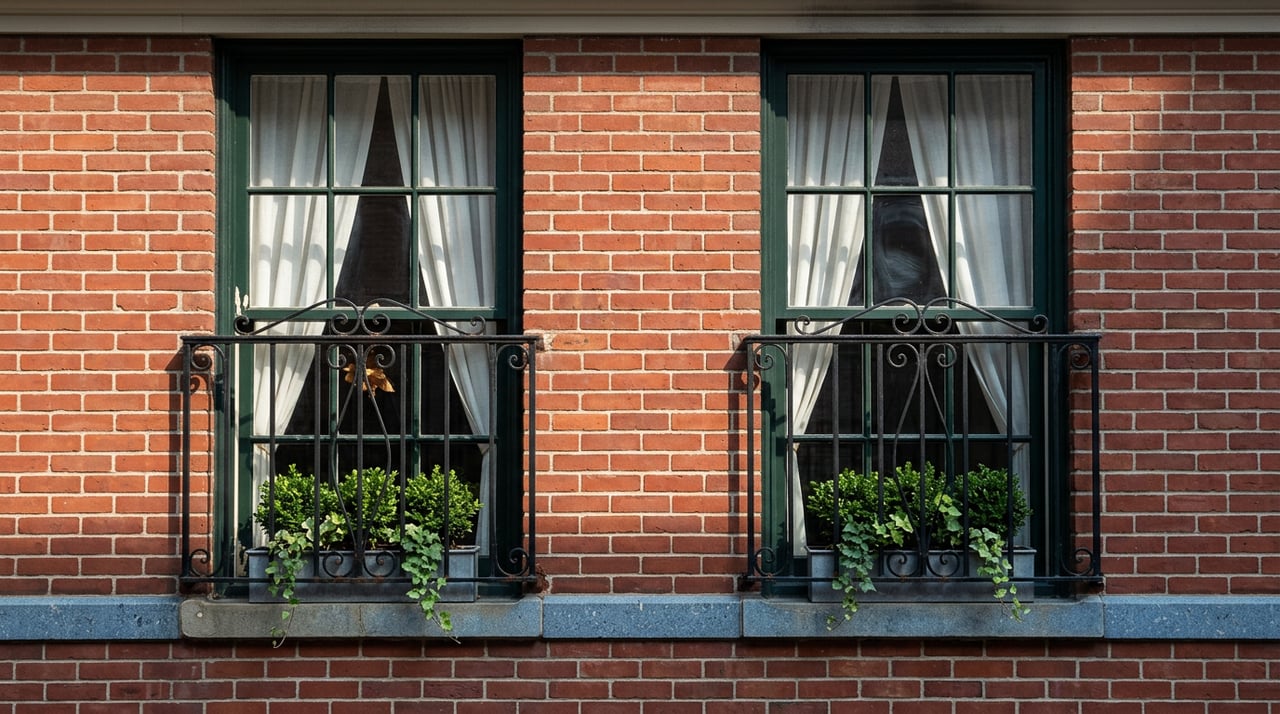
That history still shapes the neighborhood today. As you walk the blocks around the park, you will notice a sense of continuity in the streetscape, with brick and limestone facades, ironwork, stoops, and formal proportions that give the area a distinctly classic Manhattan look.
The neighborhood’s historic importance is also official. The original Gramercy Park Historic District was designated in 1966 and later extended in 1988, which helps preserve the area's distinctive built character.
Historic District Rules Matter
If you are considering a townhouse, co-op, or condo within the historic district, landmark status is not just a design detail. It can affect ownership in practical ways.
Buildings in historic districts are protected under the Landmarks Law, and most exterior changes require approval from the Landmarks Preservation Commission before work begins. For buyers, that means the neighborhood’s visual consistency is protected, but it also means renovations may involve added review and planning.
Housing Stock Is More Varied Than You Might Expect
Gramercy is not a one-note housing market. While the blocks closest to the park are known for upscale co-ops and Greek Revival townhouses, the housing stock across the neighborhood is more mixed.
You will also find row houses, tenements, luxury apartment buildings, walk-ups, and rentals. Many 1920s apartment houses in the area were developed to attract residents away from single-family townhouses, which helps explain why the neighborhood includes both older low-rise homes and more substantial apartment buildings.
That variety can be a real advantage. It creates a wider range of ownership and rental options than some buyers expect when they first focus on the prestige of the Gramercy Park name.
What Buyers Should Know About Pricing
Gramercy is generally positioned in the upper-middle to high end of Manhattan’s residential market. Current pricing indicators show an average home value of $1,163,083, a median list price of $1,315,667, and a median sale price of $1,230,000, with median days on market reported at 77.
Those numbers help frame the market, but block-by-block differences matter here. Park-adjacent townhouses and co-ops can command some of the city’s highest asking prices, while walk-ups and rentals farther east tend to be comparatively less expensive.
For buyers, that means your budget may stretch differently depending on building type, exact location, and whether you prioritize views, historic detail, or proximity to the park itself. In Gramercy, nuance matters.
Cafés and Dining Within Easy Reach
Gramercy’s food and coffee scene is not sprawling, but it is established and easy to enjoy on foot. That walkability adds a lot to daily life.
Current neighborhood and nearby examples include Blue Bottle Coffee’s Gramercy Park café on Park Avenue South, Gramercy Tavern on East 20th Street, Pete’s Tavern on East 18th Street, and Bourke Street Bakery in nearby NoMad on East 28th Street. Together, they reflect a local mix of coffee stops, classic tavern culture, and destination dining.
For many residents, that means you do not need a packed nightlife scene right outside your door to feel well served. Gramercy tends to offer a more understated rhythm, where quality and convenience shape the experience.
Irving Place Adds Local Texture
Irving Place plays an important role in the neighborhood’s character. It remains a low-rise commercial spine with a mix of local shops, restaurants, and pubs.
That matters because it helps preserve a more intimate street feel than you might find on larger commercial corridors. You still get useful retail and dining options, but in a setting that feels more neighborhood-oriented than high-volume.
In the broader Gramercy and Flatiron area, you will also find bookstores, boutiques, home-decor stores, specialty retailers, and chain stores. That wider mix gives you flexibility without losing the neighborhood’s quieter identity.
Green Space Beyond the Private Park
One of the most appealing parts of living near Gramercy Park is that the area offers strong access to public green space too. Even if you do not have park-key access, you are not limited when it comes to outdoor options.
Madison Square Park is a 6.23-acre public park that draws about 60,000 daily visitors, with lawns open daily from 10 a.m. to 9 p.m. weather permitting. Stuyvesant Square adds another 3.93 acres of neighborhood park space, and Union Square Park offers 6.51 acres along with community events and the Greenmarket.
That mix gives you several ways to enjoy open space depending on your routine. You might prefer a quieter bench in Stuyvesant Square, a longer stroll through Madison Square Park, or the energy and convenience of Union Square Park.
Daily Life in Gramercy
Daily life here tends to feel polished but not showy. Gramercy reads as a premium Manhattan neighborhood, yet much of its appeal comes from restraint rather than spectacle.
You get architectural richness, established dining, and nearby open space in a setting that feels residential first. For many buyers, that is exactly the point. The neighborhood offers a sense of place that feels steady and refined.
It also helps that Gramercy is well placed within Manhattan. Being able to walk to Union Square and access many subway lines makes the neighborhood practical, not just picturesque.
Is Gramercy the Right Fit for You?
Gramercy may be a strong fit if you value classic Manhattan architecture, a quieter residential feel, and access to both neighborhood cafés and public parks. It may also appeal to you if you want central location without giving up a sense of calm.
At the same time, buyers should be clear-eyed about the details. Private park access is limited, historic district rules can affect exterior work, and pricing can change sharply depending on the block and building type.
That is where experienced guidance matters. In a neighborhood like Gramercy, the difference between a good fit and the right fit often comes down to building-level insight, careful due diligence, and a clear understanding of what you are really buying.
If you are considering a move to Gramercy or preparing to sell in this part of Manhattan, Eileen Foy offers seasoned, full-service representation with the discretion, market knowledge, and hands-on guidance that high-value Manhattan transactions deserve.
FAQs
What is it like living near Gramercy Park in Manhattan?
- Living near Gramercy Park offers a quieter residential feel, historic architecture, walkable cafés and restaurants, and convenient access to Union Square, nearby subway lines, and several public parks.
Is Gramercy Park open to the public?
- No. Gramercy Park is private, and access is tied to the surrounding lots through a key system rather than to living in the neighborhood more generally.
What kinds of homes are available in Gramercy?
- Gramercy includes upscale co-ops, Greek Revival townhouses, luxury apartment buildings, row houses, walk-ups, rentals, and other historic residential types.
Are there public parks near Gramercy Park?
- Yes. Nearby public green spaces include Madison Square Park, Stuyvesant Square, and Union Square Park.
Is Gramercy considered expensive?
- Gramercy is generally considered upper-middle to high end within Manhattan, with pricing that can vary significantly based on proximity to the park, building type, and property features.
Do historic district rules affect Gramercy properties?
- Yes. In the historic district, most exterior changes require approval from the Landmarks Preservation Commission before work begins.