You fall in love with the crown moldings, tall ceilings, and quiet, tree‑lined blocks. Then you hear about co‑op boards, liquidity rules, and something called a recognition agreement. If you are considering a pre‑war co‑op in Murray Hill, you can have both charm and clarity. In this guide, you will learn how to evaluate layouts, board expectations, financing, and building health so you can buy with confidence. Let’s dive in.
Why Murray Hill draws co‑op buyers
Murray Hill sits in Midtown East with easy access to Grand Central and major subway lines. It blends early 20th‑century co‑ops and townhouses on calmer streets with newer towers along the avenues. That mix lets you compare character‑rich homes and modern alternatives within a few blocks. The Murray Hill neighborhood guide explains why commuting professionals value the location and sense of community.
What pre‑war co‑ops offer
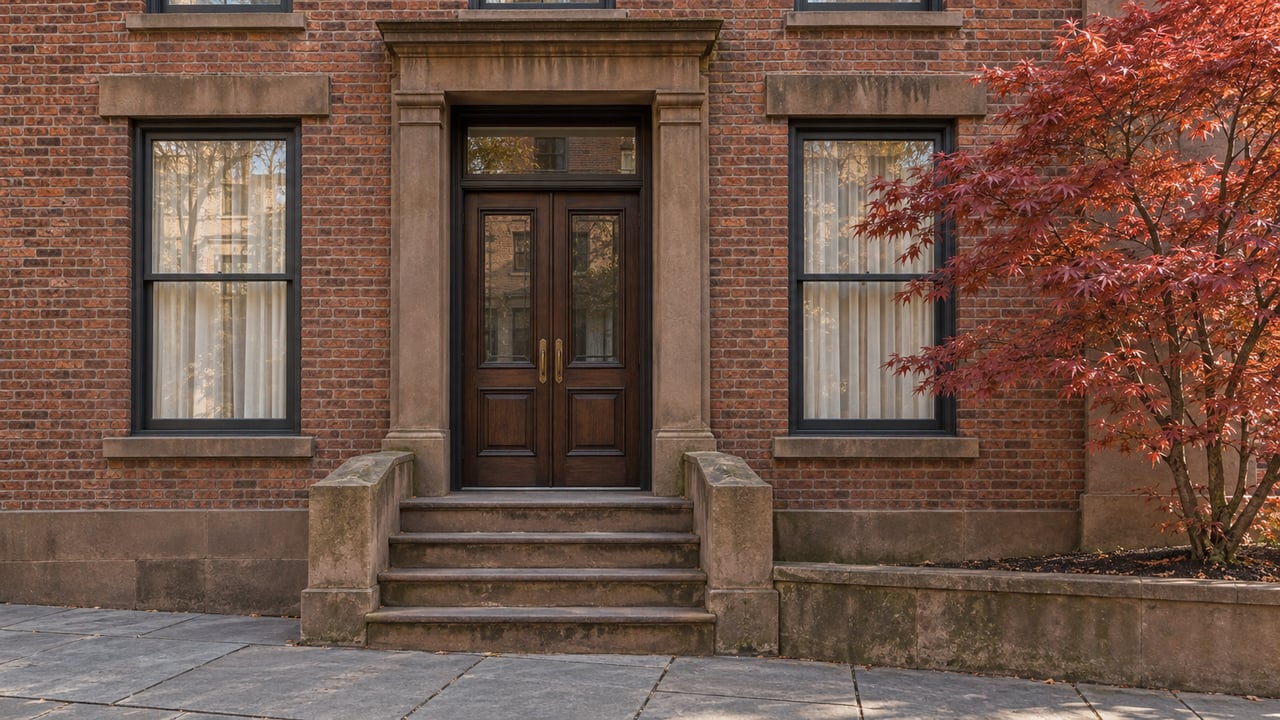
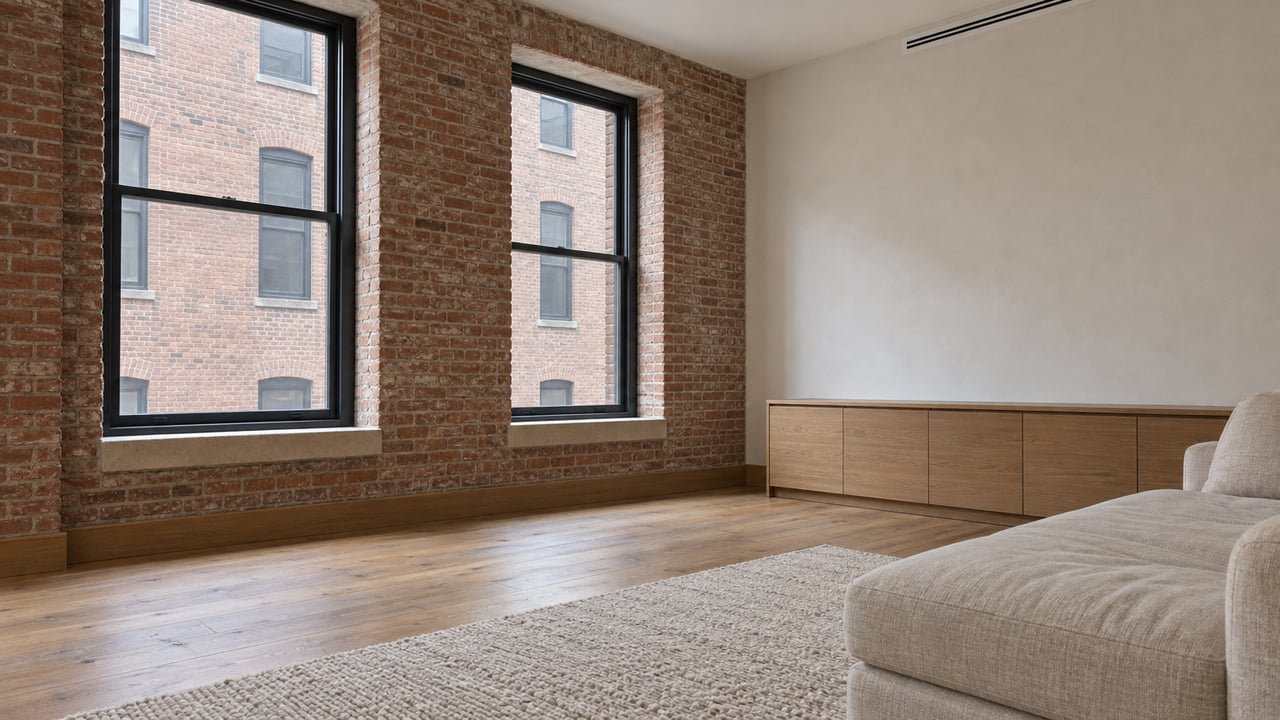
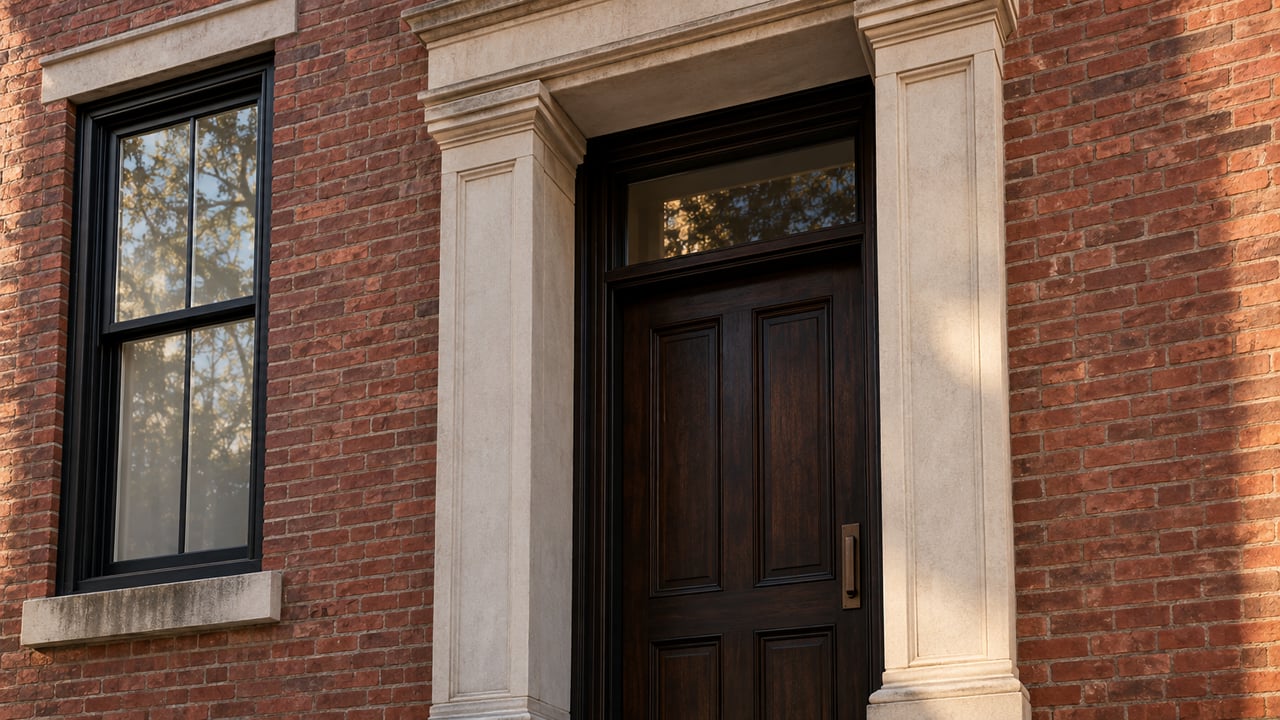
Pre‑war buildings often deliver architectural details you notice right away. Expect higher ceilings, hardwood floors, plaster and molded trim, and solid doors. Heating is often steam or radiator, and windows may be smaller than in glass towers. The trade‑off is a distinct look and quieter walls, with potential upgrades to older systems over time. HGTV’s overview of pre‑war architecture outlines these features clearly.
Common floor plans explained
- Classic layouts. You will see classic‑6 and classic‑7 homes with formal living and dining rooms, a separate kitchen, two or more bedrooms, and a small former service room. These layouts are prized for separation of spaces and gracious entertaining flow. For a quick primer, see this explainer on what a classic‑6 typically includes.
- Linear or railroad styles. In some walk‑ups and smaller buildings, rooms connect along a line from front to back. These can be efficient on square footage but may limit door placement or privacy. If this layout interests you, map how you would live in it before you fall for the charm.
What to look for on a showing
- Light and exposure. Corner units and south or west exposures often bring stronger natural light. Interior views can be quieter but dimmer.
- Ceiling height and proportions. Tall ceilings add presence, but check soffits or beam drops that affect furniture placement.
- Kitchen reality. Many pre‑war kitchens are compact. Confirm whether walls are load‑bearing and what the building allows for gas, venting, and electrical upgrades.
- Storage and access. Count closets and ask about basement storage cages. Confirm elevator size for moves and deliveries.
Co‑op board expectations in Murray Hill
Co‑op boards emphasize financial stability and community fit. Many buildings require at least 20 percent down and often look for 12 to 24 months of post‑closing liquidity, measured as months of mortgage plus maintenance in liquid assets. Requirements vary by building, but this range is common in Manhattan co‑ops and worth planning for early. For a helpful overview of board standards and packaging, see this guide to demystifying the co‑op board process.
Boards also review how you intend to use the home, basic renovation plans, and your anticipated length of ownership. They will verify employment, review tax returns and statements, and ask for references. A solid package that matches the building’s profile helps reduce questions later. PropertyShark’s co‑op overview outlines what boards look for and why details matter.
The board package checklist
Most buildings request a version of the following:
- Completed co‑op application and questionnaire
- Signed purchase contract and deposit proof
- Government ID and a short personal letter or bio
- Financials: REBNY financial statement, two years of signed federal tax returns, recent pay stubs, 3 to 6 months of bank and investment statements, and a mortgage pre‑approval or commitment letter
- Employment letter, or a CPA letter if self‑employed
- Bank, personal, and professional references
Be exact and consistent across documents. Small discrepancies or unexplained deposits can slow approval.
Interview and timing
After a package is deemed complete, expect a formal interview. Treat it like a job interview: be punctual, dress professionally, and keep answers concise. Timelines vary by building, but allow several weeks to assemble the package plus 2 to 6 or more weeks for board review and scheduling. Build this into your offer and contingency dates. See PropertyShark’s guidance for typical steps.
Avoid common red flags
- Insufficient post‑closing liquidity or high debt‑to‑income ratio
- Inconsistent paperwork or credit issues not addressed upfront
- Plans that do not align with the building’s residency profile or rules
A seasoned agent can anticipate issues and recommend solutions before you submit.
How co‑op financing works
Co‑op loans are different from condo mortgages. You do not receive a deed. Instead, you buy shares in the cooperative and receive a proprietary lease. Your lender issues a share loan, secured by those shares and the lease. The lender files a UCC‑1 financing statement and holds your stock and lease until payoff. The co‑op also signs a recognition, or Aztech, agreement that outlines how the lender and building cooperate if payments stop. For a plain‑English explainer, see how a co‑op loan works and PropertyShark’s overview.
Because share loans are specialized, not every bank offers them. Even when you are personally approved, your lender will underwrite the building’s financials, owner‑occupancy, and reserve posture before issuing a final commitment.
Closing costs to expect
Your co‑op closing usually avoids the mortgage recording tax that applies to condo mortgages. You will still see bank fees, attorney fees, co‑op application fees, recognition‑agreement processing, and move‑in fees from the managing agent. For a quick breakdown, review this summary of co‑op closing costs and fees.
Building due diligence checklist
Pre‑war co‑ops reward careful building‑level review. Ask your agent and attorney to help you collect and analyze the following:
- Financial statements and audits for the last 3 to 5 years, plus the current operating budget
- Reserve study or clear disclosure of reserve balances
- Recent board minutes, ideally 12 to 24 months
- Offering plan if the property was a conversion
- Underlying or blanket mortgage details and how debt service affects maintenance
- Owner‑occupancy percentage and current sublet policy
- Master insurance policy, last renewal date, and any active claims
- Litigation summary or any pending lawsuits
- DOB permits and violations, HPD complaints, and Local Law 11/FISP facade status
You can run many public checks yourself. Search ACRIS for building mortgages, and use the DOB BIS and HPD systems for permits, complaints, and violations. For a practical how‑to on NYC property checks, see this guide to researching building violations and records. Facade compliance can be significant for pre‑war masonry. Learn why Local Law 11 matters in this piece on FISP and facade maintenance.
Red flags worth a pause
- Thin or negative reserve balances for a building’s age and size, or repeated special assessments. Lenders and buyers look for evidence of ongoing contribution and planning. See this overview of reserve considerations for buyers.
- A high and growing underlying mortgage or a recent refinance that raised debt service. This can pressure maintenance and increase assessment risk.
- Numerous open DOB or HPD violations, or unresolved FISP items. These can signal deferred maintenance and upcoming capital projects.
- High maintenance arrears or significant litigation. These issues can affect both financing and resale.
Pre‑war co‑ops vs newer condos
- Amenities. Many newer condos offer full amenity suites like large gyms, lounges, roof decks, package rooms, and more. Pre‑war co‑ops may offer staffed entries, storage, and sometimes a small gym or roof access, but were not designed for expansive amenity footprints. Decide which daily conveniences matter most to you.
- Flexibility. Condos typically allow more freedom with rentals and renovations, though rules vary by building. Co‑ops focus on primary residency and stability, with sublet policies and board approvals for changes.
- Upfront and ongoing costs. Condos often have higher purchase prices and higher closing costs because of the mortgage recording tax. Co‑ops can offer lower entry prices but may have higher monthly maintenance since it often includes the building’s property taxes and underlying mortgage service. Review how a building structures maintenance and reserves before you compare apples to apples.
Your step‑by‑step plan
Choose your team. Work with a Manhattan agent experienced in co‑ops and a real estate attorney who closes co‑ops regularly. A seasoned team helps you interpret building financials, board minutes, and policies. PropertyShark’s co‑op primer outlines the basics.
Get the right pre‑approval. Select a lender that offers share loans and will underwrite your specific building, including owner‑occupancy, reserves, and the underlying mortgage. See this overview of how co‑op loans are structured.
Prepare a polished package. Start early on your REBNY financial statement, tax returns, bank statements, employer letter, references, and a concise bio. This saves weeks later. For expectations and presentation tips, read this guide to co‑op board packages.
Run public checks. Search ACRIS for building mortgages, and use DOB BIS and HPD for permits, violations, and complaints. A practical walkthrough is here: NYC property violation research.
Review building health. Ask for audited financials, reserve details, the master insurance policy, litigation summary, and recent board minutes. Confirm Local Law 11/FISP status and whether any capital projects or assessments are planned.
Practice for the interview. Be ready to answer how you will use the home, your employment stability, renovation scope, and intended length of stay. Keep answers simple and steady. See PropertyShark’s guidance for common expectations.
Align timing with contingencies. Package assembly and board review take time. Build realistic dates into your offer to reduce stress later.
Ready to explore your options?
A pre‑war co‑op in Murray Hill can offer space, history, and a central location that works for your daily life. With the right guidance on boards, financing, and building health, you can secure a home that fits both your lifestyle and your long‑term plan. If you want a seasoned advisor who knows Manhattan co‑ops, their boards, and how to position your package for approval, connect with Eileen Foy for a confidential consultation.
FAQs
What should first‑time NYC buyers know about co‑op boards?
- Boards prioritize financial stability and community fit, often requiring at least 20 percent down and 12 to 24 months of post‑closing liquidity, plus a complete, consistent application package.
How do co‑op share loans differ from condo mortgages?
- Co‑op financing is a share loan secured by your stock and proprietary lease, with a UCC‑1 filing and a recognition agreement; there is no deed, and lenders also underwrite the building.
What building documents should I review before committing?
- Ask for audited financials, reserves, board minutes, insurance, litigation summaries, underlying mortgage terms, sublet policy, and DOB/HPD records, then confirm Local Law 11/FISP status.
Can I sublet a Murray Hill pre‑war co‑op after closing?
- Sublet rules vary by building and usually require board approval; many co‑ops set minimum owner‑occupancy periods and specific terms in the proprietary lease and bylaws.
How long does co‑op approval take in Manhattan?
- Expect several weeks to assemble your package plus 2 to 6 or more weeks for board review and interview scheduling; timelines vary by building, so plan your contingencies accordingly.