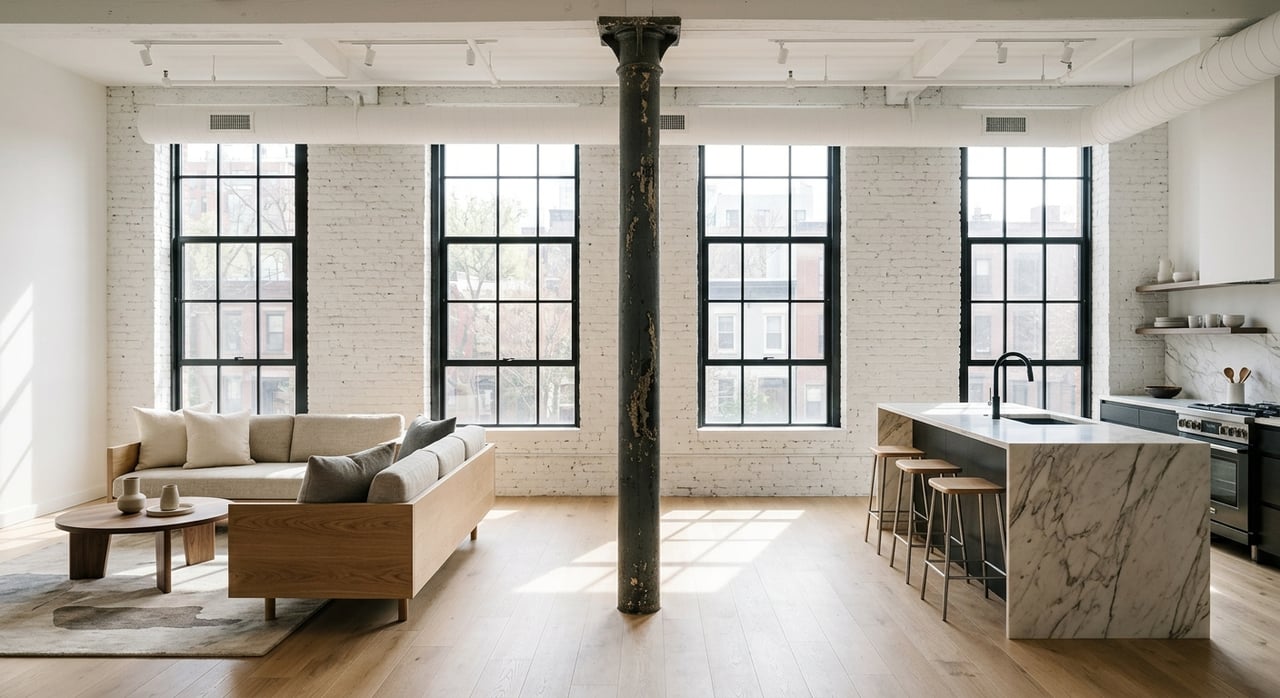
Looking at a SoHo loft can feel exciting and a little deceptive at the same time. The open layout, tall windows, and cast-iron setting are easy to fall for, but in SoHo you are not just buying an apartment. You are often buying into a historic district, an older building system, and a specific ownership structure that can shape everything from financing to future renovation plans. This guide walks you through what to evaluate from the first tour to the closing table. Let’s dive in.
Why SoHo loft buying is different
SoHo is not a typical condo neighborhood with newer towers and standardized layouts. According to Manhattan Community Board 2, the area includes one of New York City’s largest landmark districts, with the SoHo-Cast Iron Historic District designated in 1973 and extended in 2010.
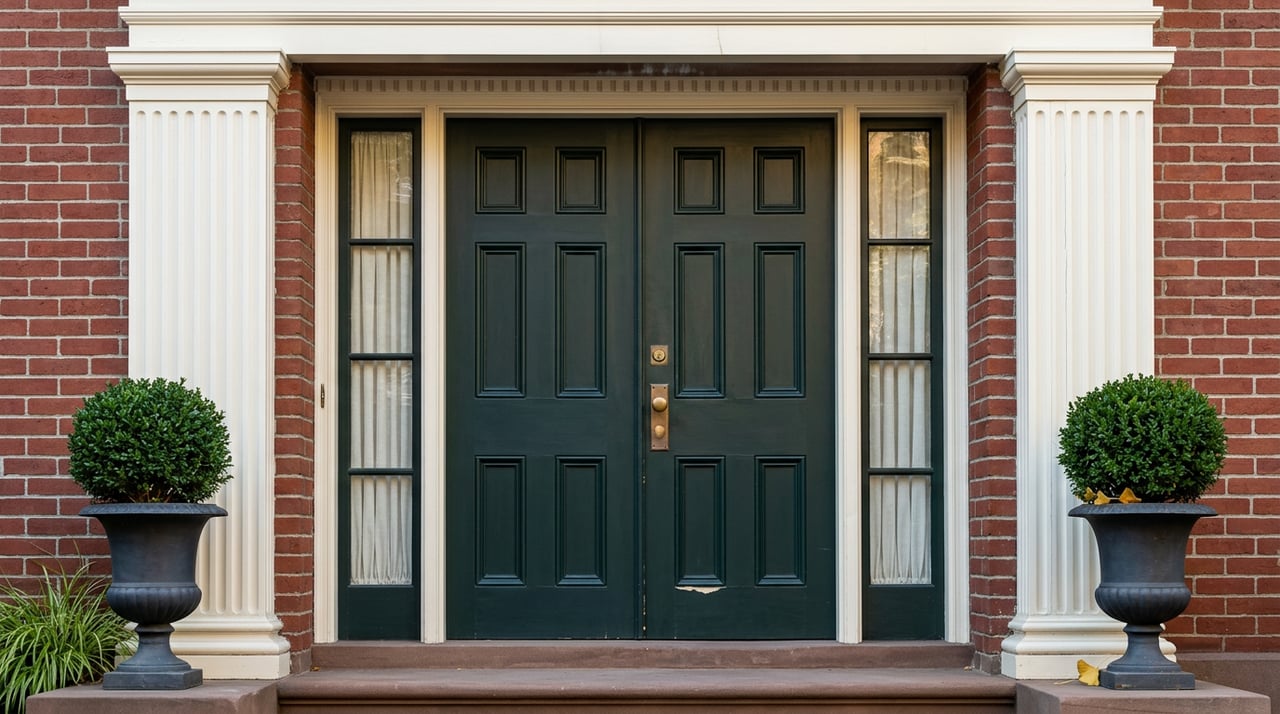
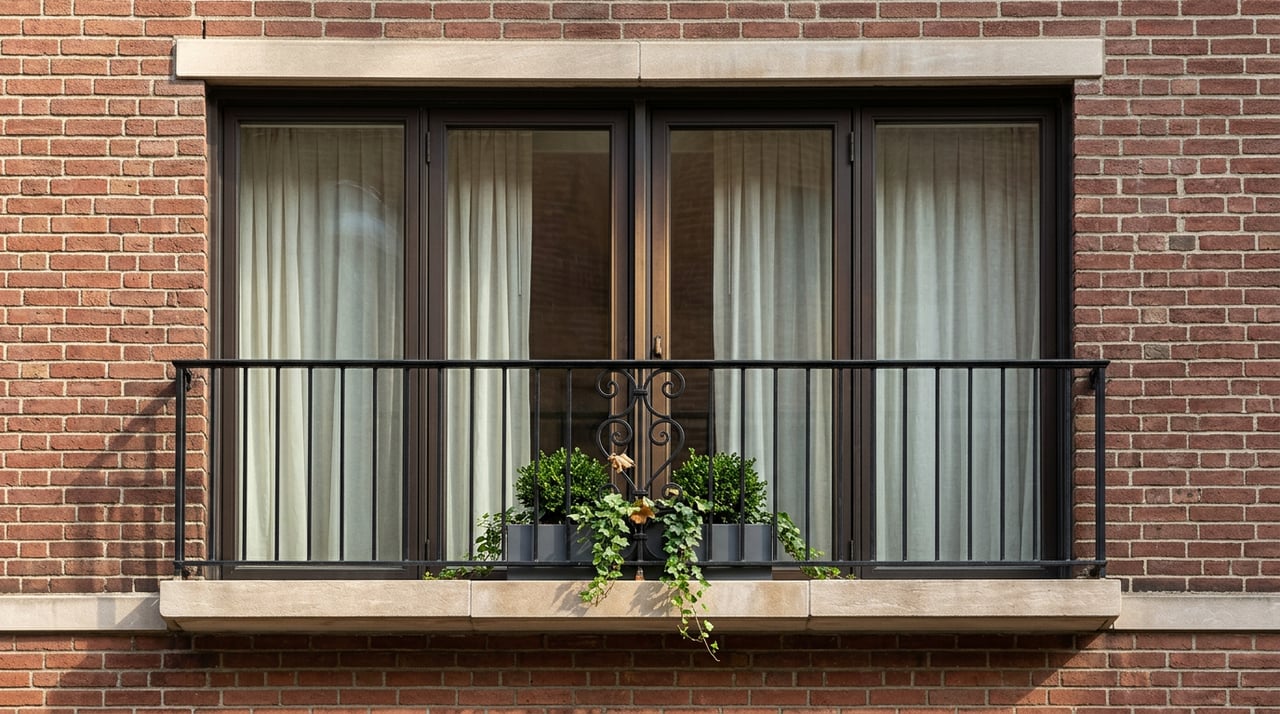
That matters because many SoHo homes sit within a historic built environment that shapes how the buildings look, function, and can be altered over time. The city’s SoHo/NoHo environmental review describes the historic core as dense mid- to late-19th-century loft buildings, often 5 to 7 stories tall on narrow lots with façades at the sidewalk line, many window openings, taller ground floors, and pronounced cornices.
In practical terms, your buying decision is usually about more than finishes. You need to evaluate the original shell of the building, the way light moves through the space, and how landmark status may affect future work.
Start with the building, not the staging
A polished renovation can distract you from what matters most in a loft. In SoHo, value is often tied as much to the bones of the building as to the kitchen or bath updates.
As you tour, focus first on the floor plate, the window placement, and the ceiling height. In older loft buildings, those elements shape daily livability in a way that photos rarely capture.
Check light at different times
Because SoHo’s historic buildings are often narrow, full street-wall structures without the setbacks you may see elsewhere, daylight can vary more than buyers expect. The city’s planning documents suggest why this matters: building form and window placement have a direct impact on how a loft feels from room to room.
If you can, view the loft at different times of day. Pay attention to how the light reaches the living area, bedrooms, and any interior rooms that may rely on borrowed light.
Measure the feel of the volume
Loft buyers often focus on square footage, but volume matters too. Ceiling height, exposed structure, and the openness of the original industrial shell can have a major effect on how spacious the apartment feels.
It is also worth asking whether the ceiling height has been reduced by dropped ceilings, soffits, or later mechanical installations. In conversions, those changes can vary from room to room.
Look for signs of building wear
The New York Attorney General advises buyers to inspect more than finishes and décor. Their co-op and condo buyer guidance recommends looking closely at the façade, roof, flooring, elevators, HVAC, windows, electrical wiring, plumbing, and sub-soil conditions.
That same guidance notes that some of the most expensive recurring issues in existing buildings involve façade defects, roof work, elevator repairs, plumbing replacement, electrical upgrades, and boiler replacement. In a SoHo loft building, those are not minor details. They can shape future assessments, maintenance costs, and project timelines.
Questions to ask on a SoHo loft tour
A good tour should leave you with more than a nice impression. It should help you understand how the apartment was created out of the original structure and what the building may need over time.
Here are smart questions to ask:
- Has the ceiling height changed in any part of the apartment because of mechanical work, soffits, or dropped ceilings?
- Are there any signs of water intrusion, façade movement, or window-related issues?
- What major capital projects has the building completed recently?
- Are there open violations or known repair issues in the building?
- Can you review board minutes, financial reports, and other building documents during due diligence?
These questions help move you from aesthetic reaction to informed decision-making.
Co-op or condo changes the process
Two SoHo lofts can look nearly identical and still involve very different ownership rights and closing paths. One of the first things to confirm is whether the property is a co-op or a condo.
The Attorney General explains that in a cooperative, you buy shares in a corporation and receive a proprietary lease for the apartment. In a condo, you own the unit itself along with an undivided interest in the common elements.
Why co-op diligence is deeper
In a co-op, you are not only buying a home. You are joining a corporation governed by a board. The Attorney General’s co-op board guidance explains that the by-laws, proprietary lease, and house rules shape how the building operates.
That is why co-op due diligence should always include board documents, not just the unit details. You want to understand the financial health of the corporation, the building’s governance, and any rules that may affect ownership or future plans.
Why financing may differ
Financing a co-op can also be more building-specific than financing a condo. Fannie Mae’s co-op share loan guidance notes that a co-op loan is tied to the value of the co-op stock and occupancy rights, and the loan-to-value calculation can depend in part on the building’s blanket mortgage structure.
For you, that means the underwriting process may involve more document review and more attention to the building itself. In a neighborhood like SoHo, where many buildings are older and distinctive, that extra scrutiny is especially important.
Review the paper trail carefully
A SoHo loft purchase should include serious document review before you sign or close. The Attorney General advises buyers of co-ops and condos to read the full offering plan when one applies and to consult an attorney before signing a purchase agreement. Buyers should not rely on verbal promises or marketing language if those points are not reflected in the governing documents or contract.
For resale lofts and older conversions, that caution matters even more. The Attorney General notes that in existing conversions, the sponsor must have the building evaluated by an engineer and disclose visible defects or known issues reported through management. Even if a loft looks turnkey, the building may still have a repair history that deserves close attention.
Documents worth reviewing
Before contract or during due diligence, ask your attorney and broker to help review:
- Board minutes
- Financial statements and annual reports
- Any available offering plan and amendments
- House rules, by-laws, or proprietary lease if it is a co-op
- Posted violations or known building issues
- Information on upcoming capital projects or assessments
According to the Attorney General’s buyer guidance, annual reports can also disclose board contracts and other operating details that may not be obvious from a showing alone.
Landmark rules can affect future renovation plans
If you are buying a loft with plans to update windows, add HVAC, or change exterior elements, SoHo’s landmark status needs to be part of your thinking early. The Landmarks Preservation Commission states that permits are required for exterior work on a building in a historic district, including work on parts of the building not visible from the street.
That point surprises many buyers. Even if a project does not require a Department of Buildings permit, landmark approval may still be required.
Work that may trigger review
Based on LPC and HPD guidance cited by the city, examples of work that may require permits include:
- Replacing windows
- Installing HVAC equipment
- Restoring masonry
- Repairing or replacing roofs
- Altering doors, fences, handrails, or similar exterior elements
LPC also explains that some work can be handled at the staff level, while other projects require a Certificate of Appropriateness and presentation to the community board and full Commission. That process can take about three months, and work cannot begin until approval is issued.
What usually does not need approval
Not every repair triggers landmark review. LPC says ordinary maintenance like replacing broken glass, repainting in the same color, or caulking around windows and doors generally does not require approval.
That distinction is useful if you are budgeting for ownership. Routine upkeep is one thing. Alteration work that affects protected features is another.
Closing checklist for a SoHo loft
By the time you are preparing to close, your due diligence should be narrowed into a few core categories. In SoHo, the smartest framework is simple: confirm landmark status, confirm ownership structure, and confirm physical and occupancy status.
One final point deserves special attention. The Department of Buildings advises buyers to negotiate around a final Certificate of Occupancy rather than relying on a Temporary Certificate of Occupancy. DOB warns that an expired or unrenewed TCO can create problems for insurance, resale, or refinancing.
A practical pre-closing list
Before closing, make sure your team has verified:
- Whether the building is in the SoHo historic district
- Whether the unit is a co-op or condo
- The building’s financials, minutes, and known repair issues
- Any open violations or major capital work
- Permit and landmark status for past or future work
- Occupancy status, including whether there is a final Certificate of Occupancy or a Temporary Certificate of Occupancy
- Title and contract details with your attorney
This is where experienced guidance matters. In Manhattan, and especially in a neighborhood like SoHo, the most successful purchases are usually the ones that feel calm because the preparation was thorough.
Buying a loft in SoHo should feel exciting, but it should also feel clear. When you understand the building, the paperwork, and the historic context before you close, you put yourself in a much stronger position to buy with confidence. If you are considering a SoHo loft and want measured, high-touch guidance through every step, connect with Eileen Foy.
FAQs
What makes buying a SoHo loft different from buying a typical Manhattan apartment?
- A SoHo loft purchase often involves three layers of diligence: the apartment itself, the building’s physical condition, and the property’s status within a historic district.
What should you check during a SoHo loft tour?
- You should pay close attention to natural light, ceiling height, floor plate, window placement, and signs of larger building issues like water intrusion, façade problems, or aging systems.
What documents should you review before buying a SoHo co-op or condo?
- Key documents can include board minutes, financial reports, annual reports, house rules, by-laws, a proprietary lease for co-ops, and any applicable offering plan materials.
Why does landmark status matter when buying a SoHo loft?
- Landmark status can affect future exterior work, including windows, HVAC equipment, masonry, and other building elements that may require LPC review and approval.
What should you confirm before closing on a SoHo loft?
- Before closing, you should confirm the ownership type, building condition, financial and legal documents, permit history, and occupancy status, including whether there is a final Certificate of Occupancy.