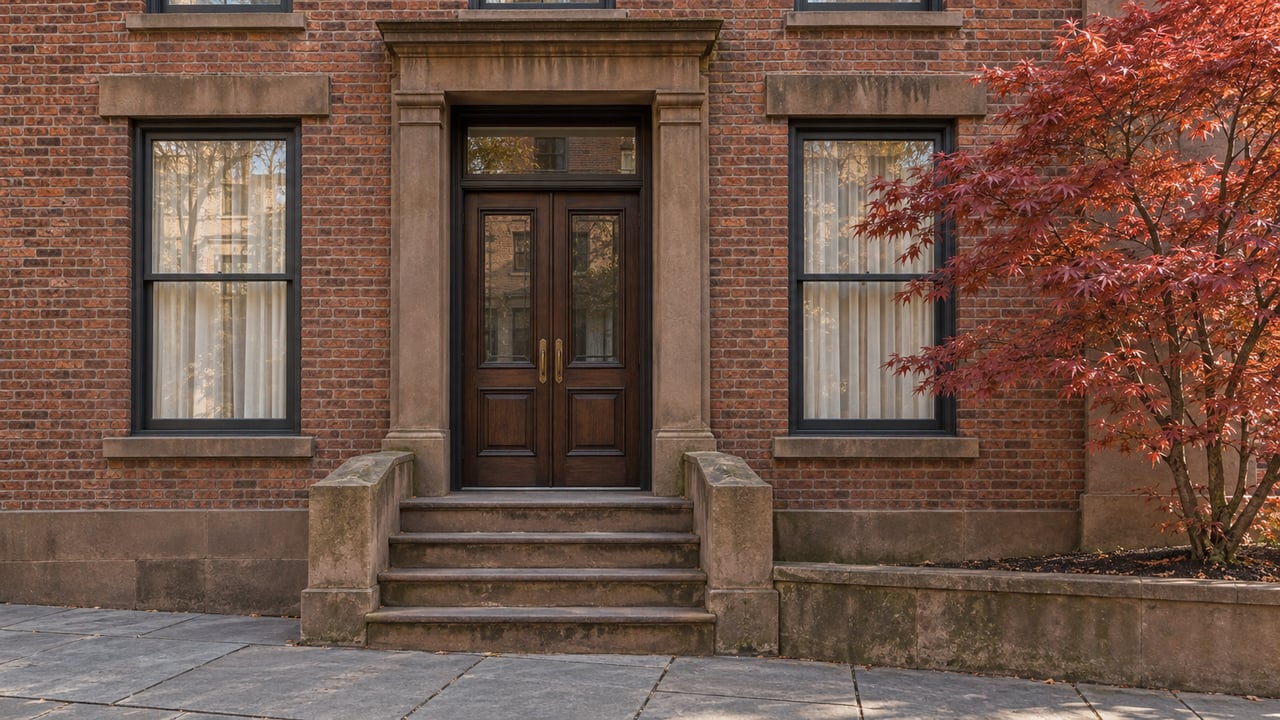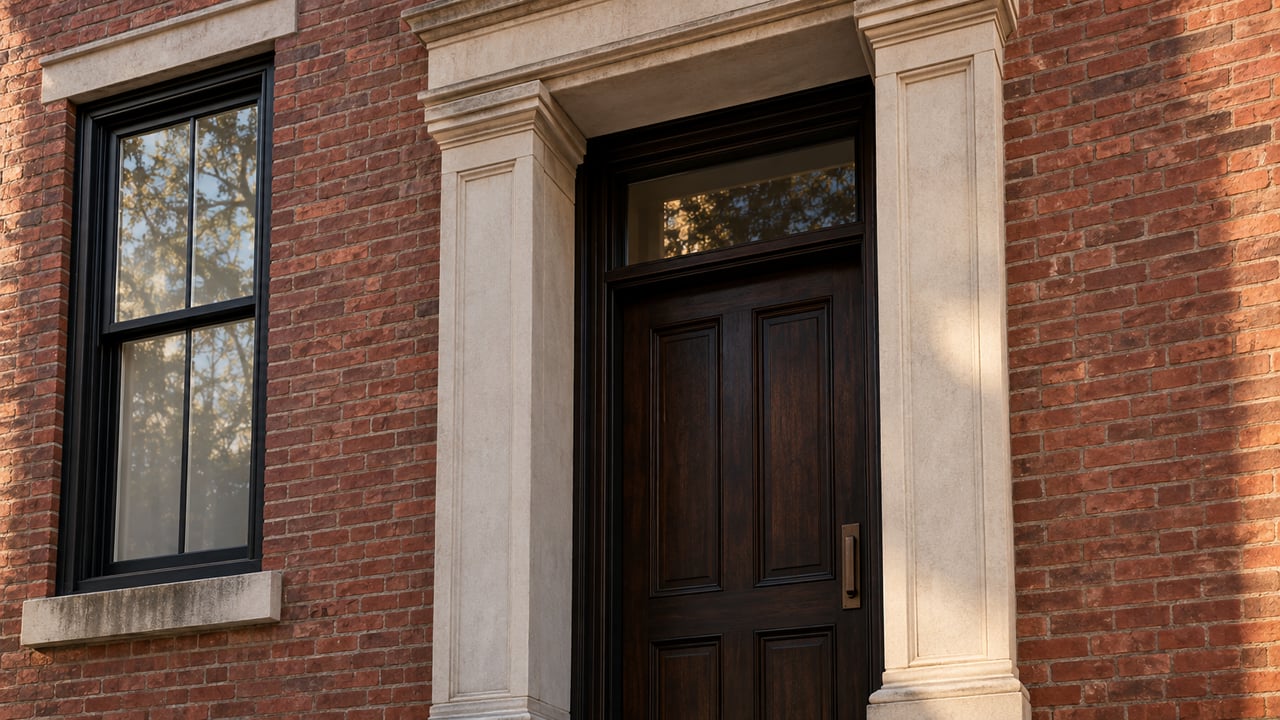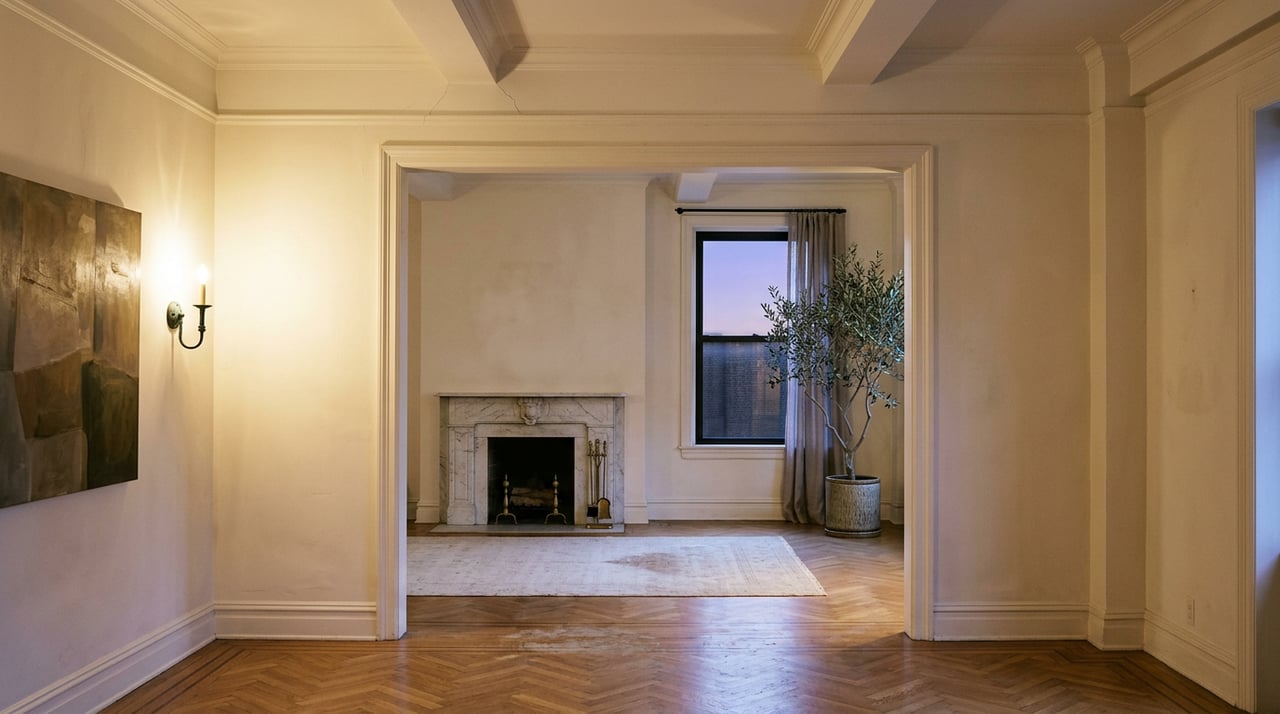
A buyer comparing two nearly identical two-bedroom co-ops in Sutton Place notices something that looks like an obvious win. One unit is priced eighty thousand dollars below a comparable listing three blocks away. Same prewar bones, same East River proximity, same doorman lobby. The instinct is to assume the cheaper one is simply underpriced, a seller in a hurry or an agent who miscalculated.
Often it isn't a mispricing at all. It's a flip tax clause, and in Sutton Place, that clause frequently runs in the opposite direction from what buyers expect anywhere else in Manhattan.
The Default Every Other Neighborhood Uses
Across most of the borough, the flip tax, a transfer fee co-op boards charge when shares change hands, is customarily paid by the seller. It typically runs one to three percent of the sale price, and it exists because co-ops converted from rental buildings decades ago needed a way to build reserve funds without raising monthly maintenance on every shareholder. The fee also discourages quick resales, since a seller absorbing two or three percent off the top has less incentive to flip a unit for a fast profit.
That's the pattern buyers carry into every negotiation. It's also the pattern that Sutton Place quietly breaks, in some buildings.
Where the Custom Reverses
At 35 Sutton Place, a white-glove postwar cooperative built in 1961, the flip tax is two percent of the sale price and it is paid by the purchaser. Nearby at 419 East 57th Street, sponsor-owned units that have come to market have carried the same structure: a two percent flip tax assigned to the buyer rather than the seller. Neither building is unusual for the enclave. Buyer-paid flip taxes show up often enough in Sutton Place, along with Beekman Place, Park Avenue, and Fifth Avenue, that longtime brokers treat it as a known local quirk rather than an anomaly.
The mechanism behind it is simple math dressed up as tradition. A board that expects buyers to cover the fee can list comparable units at a headline price that looks lower than the true cost of ownership, because the flip tax gets folded into closing rather than into the sale price itself. It isn't a discount. It's a deferral, and it lands on the person signing the contract to buy, not the one selling.
The Building That Doesn't Follow the Script
Here is where the neighborhood reputation gets ahead of the facts. At 14 Sutton Place South, a fourteen-story cooperative with ninety-three units, the flip tax runs two and a half percent of the proceeds of sale, and it is paid by the seller, the arrangement most of Manhattan already expects. That building also caps financing at fifty percent and prohibits subletting entirely, so it shares Sutton Place's conservative board culture without sharing its buyer-pays convention on transfer fees.
Two buildings a few blocks apart, both discreet, both prewar in spirit if not in vintage, and they land on opposite sides of who writes the check. That's the detail a generic closing-cost guide won't give you, because it requires knowing the actual proprietary lease language building by building rather than repeating what the neighborhood is known for.
| Building | Flip Tax Rate | Who Pays | Minimum Down Payment |
|---|---|---|---|
| 35 Sutton Place | 2% of sale price | Buyer | 50% |
| 419 East 57th Street (sponsor units) | 2% of sale price | Buyer | Varies by unit |
| 14 Sutton Place South | 2.5% of proceeds | Seller | Not disclosed in building filing |
The lesson isn't that Sutton Place buyers always pay more at closing. It's that the neighborhood's reputation for a reversed custom is real often enough to be dangerous if you stop checking once you've heard it, and specific enough to buildings that no offer should be structured on the assumption alone.
Why the Rule Sits in the Lease, Not the Zip Code
A flip tax, wherever it lands, is written into a building's proprietary lease or bylaws, and changing who pays or how much requires a formal amendment. Most cooperatives set that bar at two-thirds shareholder approval, a threshold high enough that once a building settles on a structure, it tends to stay there for decades. That's part of why Sutton Place's buyer-paid buildings and seller-paid buildings can coexist within the same six-block enclave. Nobody is coordinating the rule across buildings. Each board wrote its own version years or decades ago, and inertia keeps it in place.
This matters because it means the flip tax isn't a neighborhood fact you can look up once. It's a building fact you confirm every time, through the offering plan, the proprietary lease, or a direct answer from the managing agent, not through what a broker tells you the block is known for.
The Sponsor Unit Complication
Sutton Place also has a meaningful supply of sponsor units, apartments still held by the original building sponsor rather than an individual shareholder, and these come with their own version of the same puzzle. Buying a sponsor unit skips the co-op board package and interview entirely, and financing terms tend to be friendlier, sometimes allowing down payments as low as ten percent versus the twenty-five to fifty percent many Sutton Place boards demand of resale buyers.
What sponsor purchases don't skip is the closing cost shift. Buyers of sponsor units routinely absorb transfer taxes and fees that would normally fall to a seller in a standard resale, because the sponsor structures the deal that way as a matter of course. A buyer chasing the faster, less invasive sponsor path can end up in the same position as a buyer in a buyer-pays resale building: a lower barrier to entry at the board level, offset by a closing statement that looks different from what a first-time Manhattan buyer expects.
The two frictions, board-averse buildings that shift the flip tax to purchasers and sponsor units that shift other closing costs the same direction, aren't the same rule, but they push in the same direction often enough that a Sutton Place buyer should budget for both possibilities rather than either one.
What This Changes About How You Read a Listing
None of this means Sutton Place is a bad market to buy into. It means the sticker price on a listing here tells you less than it would in a neighborhood where the seller-pays default holds without exception. Before an offer goes in, a buyer working this enclave should confirm four things directly from the building's governing documents rather than from neighborhood reputation: whether a flip tax exists at all, the exact calculation method, whether it's assigned to buyer or seller by the proprietary lease, and whether the building has any pending vote to change that assignment.
A seller can find the reverse version of this same advice useful. A listing priced to reflect a buyer-paid flip tax may sit longer than an identically finished unit in a seller-pays building, not because of anything wrong with the apartment, but because buyers comparing headline numbers across buildings aren't always pricing in the difference until their attorney flags it during due diligence.
A Few Questions Worth Asking Directly
Does a lower asking price in Sutton Place mean a better deal? Not automatically. A unit priced below a comparable listing may simply reflect a building where the flip tax is assigned to the buyer rather than the seller. On a $1.3 million sale, a 2 percent flip tax adds $26,000 to the buyer's closing costs, money that doesn't show up in the asking price at all.
Is the flip tax the same as the NYC transfer tax? No. The flip tax is a fee paid to the cooperative corporation itself, set by the building's own governing documents. The state and city transfer taxes are separate government levies that apply regardless of what any individual building charges.
Can a Sutton Place building change who pays the flip tax? Yes, but it isn't simple. Amending a proprietary lease to shift the flip tax typically requires a two-thirds vote of shareholders, and buildings often grandfather existing owners so the change only applies going forward. That's one reason the buyer-pays and seller-pays buildings in Sutton Place have coexisted for so long without either custom spreading to the other.
Sutton Place rewards buyers and sellers who read the building, not the block. If you're weighing an offer here, or trying to price a listing so the real cost of closing doesn't surprise anyone at the table, Eileen Foy has spent three decades inside these buildings' boards and proprietary leases. Request a private consultation before you write the offer, not after.
This article is general information, not legal, tax or financial advice. Consult a qualified professional about your situation.