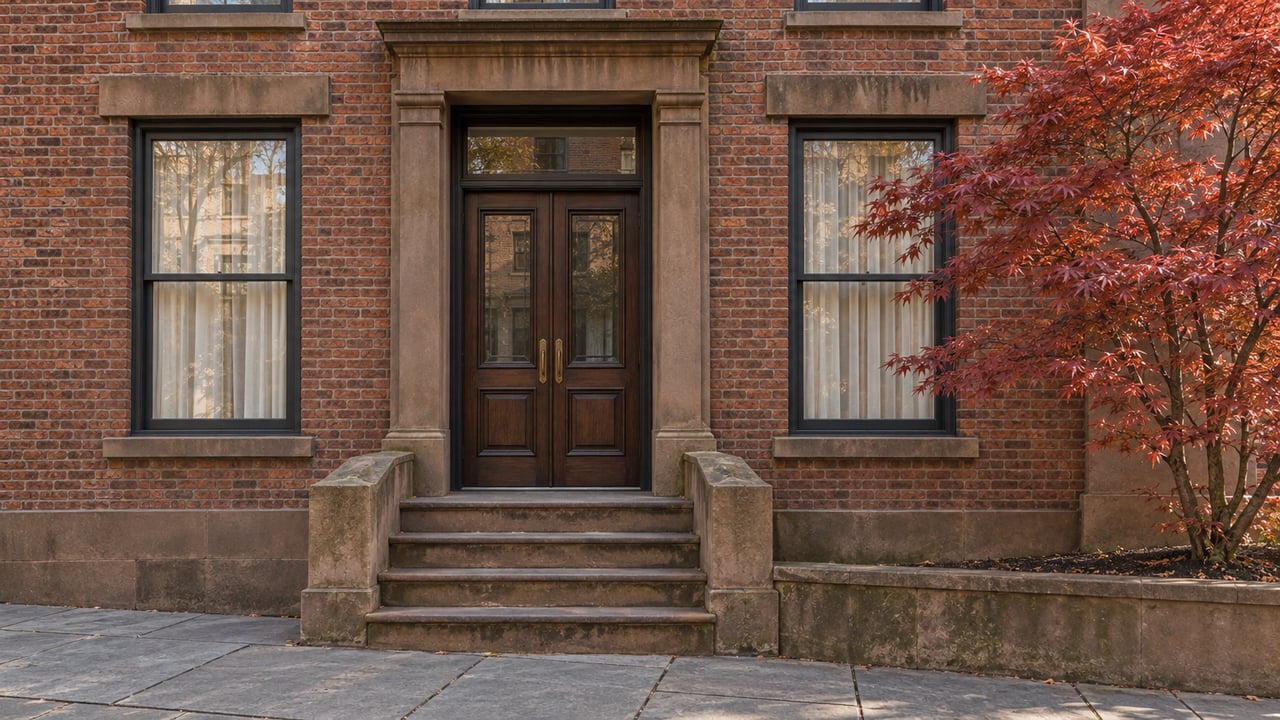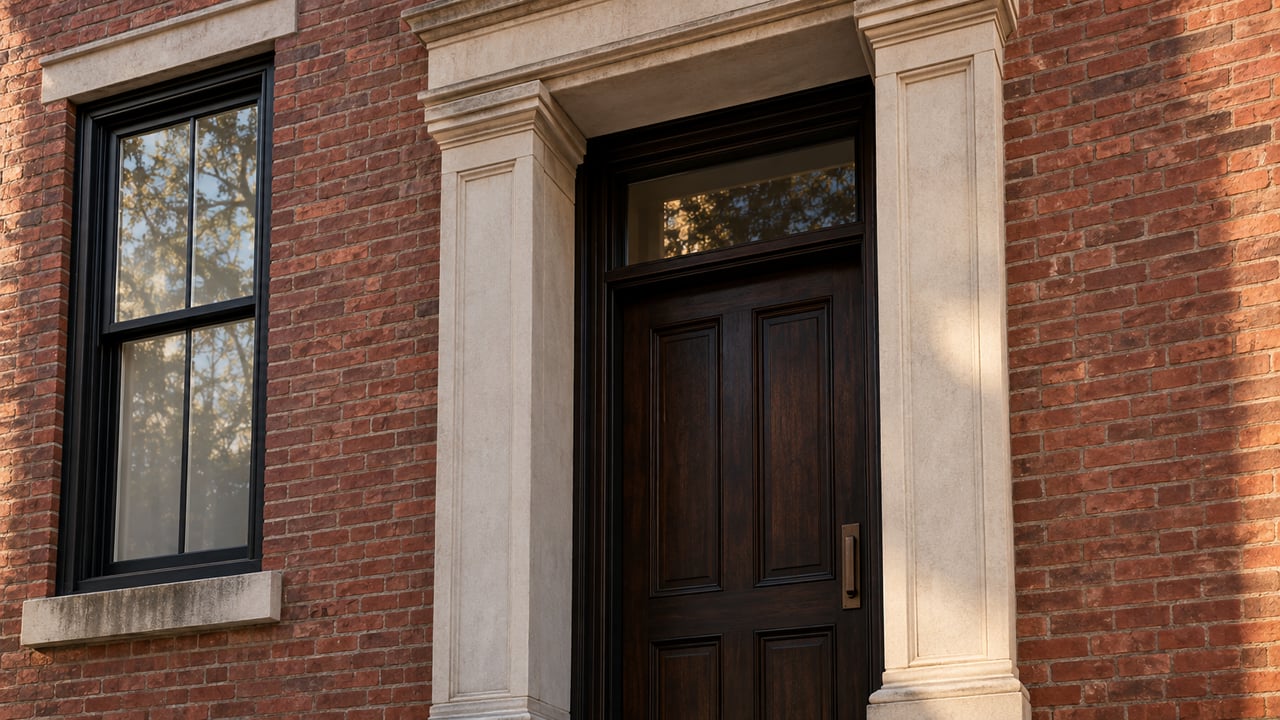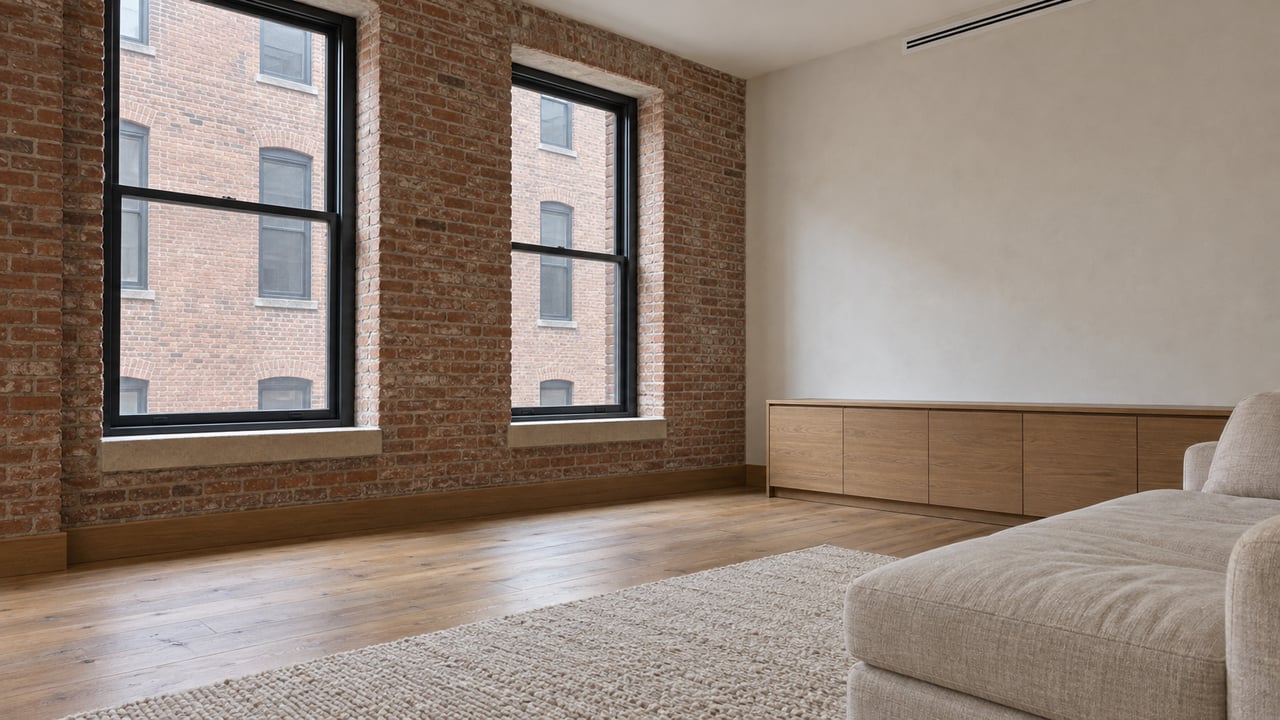
Many NoHo lofts are zoned Joint Living-Work Quarters for Artists, or JLWQA. If you are not a certified artist, buying one of these lofts and being allowed to live in it are two separate steps. You can buy the unit today. To occupy it lawfully, you generally have to convert it to ordinary residential use first. Conversion means a one-time payment to the City's SoHo-NoHo Arts Fund, and the payment is set by the square foot, not by the price you paid.
The payment is easy to miss because the sale doesn't trigger it. The 2021 rezoning made the fee payable only at conversion, and conversion is voluntary. The cost therefore never shows up as a closing line item, but it travels with the unit to whoever buys it next.
The Sale Goes Through. Occupancy Is the Problem.
NoHo has carried the JLWQA designation since 1976, five years after SoHo. It was created so certified artists could legally live in former manufacturing lofts. The designation runs with the property, not with the person who owns it. Over the decades, two amnesties protected non-artists who were already living in these units. The first came in 1986. The second came in 2022, when New York State covered anyone whose residency began on or before December 15, 2021, the day the rezoning was approved. Both amnesties protected people, not apartments. Someone who moves into a JLWQA unit after that date still falls under the certified artist requirement.
A friction most buyers don't expect comes from what the parties stipulated during the litigation. JLWQA rules restrict who can live in a unit, not who can buy it. Unless the contract says otherwise, the seller doesn't have to convert before selling, and doesn't even have to ask how the buyer plans to comply. That leaves conversion with the buyer by default, unless the contract assigns it to someone else.
The City's Department of Buildings lays out the steps on its JLWQA conversion page:
- A certification from the City Planning Commission Chairperson
- The one-time, nonrefundable Arts Fund contribution
- Any code work the space needs
- A new or amended certificate of occupancy
The zoning text makes the payment a precondition for filing for or receiving any building permit for the conversion. A unit can convert by itself without pulling the whole building into the process. Units already covered by the Loft Law process use a separate route. Since December 15, 2021, no new space can receive the JLWQA designation, so the supply of these units is fixed and can only shrink as units convert.
The City Measured the Discount Before It Set the Fee
The City didn't pick the fee out of thin air. In 2021, the Department of City Planning studied SoHo and NoHo sales from 2010 to 2020 and compared JLWQA units with comparable non-JLWQA units, a group that included Loft Law units and standard residential units. The results are in its Arts Fund presentation.
| 2010–2020 sales, price per sq ft | JLWQA | Non-JLWQA | Gap |
|---|---|---|---|
| First quartile | $1,293 | $1,369 | $76 |
| Median | $1,545 | $1,767 | $222 |
| Average | $1,624 | $1,814 | $189 |
| Third quartile | $1,920 | $2,182 | $263 |
Using those numbers, the City set the starting contribution at $100 per square foot. For an average unit, it estimated that amount at 7.2 percent of market value, and 6.5 percent at the median.
The table shows what the market had already done. Before any fee existed, buyers were paying less for the JLWQA label. On average, that 2010–2020 discount exceeded the original $100 fee. At the bottom quartile it didn't. The first-quartile gap was $76 per square foot, below even the original fee and well below the rate posted today. A flat per-square-foot charge takes a bigger share of a less expensive loft's value. A 2,000-square-foot loft costs the same to convert whether it trades at the bottom of the range or the top.
Here is the arithmetic for that 2,000-square-foot loft at the rate the City now posts. The fee comes to $231,520. The 2010–2020 gap was about $152,000 at the first quartile and about $526,000 at the third. These are historical City estimates, not current pricing. Still, they show that the fee doesn't scale with value the way the market discount does.
A Rate That Rises Every August 1
City Planning's special-area rules page lists the contribution at $115.76 per square foot. The rate adjusts every August 1 according to the change in the federal Consumer Price Index for the 12 months ending June 30. You pay whatever rate is in effect when the City receives the payment. The page is undated, so it doesn't say which August's adjustment $115.76 reflects. Treat it as the posted figure, not a confirmed 2026 rate. The Department of Buildings page still cites the original $100.
The indexing is why this cost grows the longer an unconverted loft goes without converting. The obligation has no deadline. The Court of Appeals described conversion as available "at any future time." As long as inflation stays positive, each year a unit goes unconverted, the eventual payment goes up. That leaves a negotiating question in every JLWQA purchase: whose year does the fee get calculated in, and who pays it?
Where the Case Stands This Week
The fee has spent most of its life in court:
- February 2022. The Coalition for Fairness in SoHo and NoHo, a group of owners and residents, sued to annul the rezoning.
- December 5, 2024. After a lower court ruled for the City, the Appellate Division found the fee unconstitutional and blocked its enforcement.
- January 13, 2026. New York's Court of Appeals reversed in a 6-1 decision. Judge Jenny Rivera wrote for the majority that "the opportunity to relinquish one form of property to acquire another, in exchange for a monetary payment to an arts fund, is not a taking." Judge Michael Garcia dissented, as The Real Deal reported.
- April 13, 2026. The Coalition asked the U.S. Supreme Court to hear the case, docketed as No. 25-1187. Amicus briefs followed from the Cato Institute and the Manhattan Institute, among others.
- May 19 to August 3, 2026. The City waived its right to respond on May 19. On June 2, the Court requested a response anyway, and the City filed it on August 3.
- October 9, 2026. After being taken off the September 28 conference, the petition was distributed for the Justices' October 9 conference.
As of today, October 7, 2026, the Supreme Court docket shows no decision on whether the Court will take the case. The Court asked for a response it had initially been told it wouldn't get, so the petition hasn't been dismissed out of hand. A request for a response says nothing about how the Court will rule. For now, the Court of Appeals ruling is the controlling decision, and the fee is collectible.
The two sides frame the fee very differently. The Coalition argued in the Appellate Division that the fee could complicate mortgages, lower values, and lead buyers to cut their offers to cover the fee plus renovation costs. The Real Deal reported those as claims made in litigation, not measured findings. The City presented the fee as a way to resolve complicated occupancies and turn the lifted artist requirement into funding for the arts. DCLA awards Arts Fund grants to artists and nonprofits in SoHo, NoHo, and other neighborhoods south of 14th Street.
The Numbers Nobody Has Published Yet
By the City's own estimate, about 1,600 of the 1,636 JLWQA-designated units were occupied in 2022 by households that didn't comply with the use restrictions. In the prior year, only four artists received certification. That figure covers SoHo and NoHo together, and it means the certified-artist buyer the designation was written for is close to nonexistent.
Some figures are not public. The zoning text requires DCLA to report Arts Fund deposits each year to the City Council Speaker. Even so, no public count of completed conversions, or of the buildings they're in, has surfaced since 2021, and no published report has named a NoHo building that finished a conversion under the fee. There is also no documented record of how lenders or co-op boards are handling JLWQA units after the January ruling. Any claim about those questions is anecdotal until the data comes out.
Questions Buyers Raise About JLWQA Lofts
Can I buy a JLWQA loft without being a certified artist? Yes. The restrictions apply to occupancy, not to the sale itself. A non-artist buyer without another legal basis to live there would need to convert before occupying the unit or renting it to non-artist tenants.
Does the seller have to convert before closing? Not by default. The litigation stipulations say sellers aren't responsible for converting before a sale unless the parties agree otherwise.
Does converting one unit change the rest of the building? No. The Department of Buildings permits conversions one unit at a time. Your co-op or condo documents may still require approvals for the work.
What happens if the Supreme Court takes the case? Nothing changes immediately. Unless a later order says otherwise, the Court of Appeals decision stands while the case is pending.
With a JLWQA purchase, the most important figure often isn't in the listing: it's the loft's square footage multiplied by whatever rate is posted when the conversion payment goes in. Eileen Foy can help you check a NoHo loft's certificate of occupancy before you make an offer, and set out who covers the conversion and when, so it's agreed in writing before contract. Request a Private Consultation.
This article is general information, not legal, tax or financial advice. Consult a qualified professional about your situation.